End-of-Life Planning with Dr. Susan Abernethy

Death is a topic most of us avoid...until we can’t. But what if talking about it early actually gave us more peace, not less? In this episode, Leah sits down with Dr. Susan Abernethy, founder of Mudança Healing, to discuss planning now for the inevitable.


Death is a topic most of us avoid...until we can’t.
But what if talking about it early actually gave us more peace, not less? In this episode, Leah sits down with Dr. Susan Abernethy, founder of Mudança Healing, whose path from naturopathic medicine and nonprofit leadership (including Make-A-Wish) led her to become an end-of-life doula.
Susan shares how having honest conversations early, especially after a cancer or dementia diagnosis, can ease the pressure of rapid-fire medical decisions, bring clarity to what really matters, and offer real comfort to both patients and the families who love them. They get into the practical side too: the gaps hospice care often leaves behind, the toll caregiving takes on families, and why services like respite matter so much. Susan also walks us through the tools she uses in her workshops—from Death Decks to checklists—to help individuals and organizations get ready for what's ahead, not just legally, but practically and emotionally.
This conversation is a gentle reminder: planning for the end isn’t morbid. It is an act of care for the people you love.
Connect with Susan: www.mudancahealing.com
and on Instagram @mudanca_healing
Resources mentioned in this episode:
All There Is with Anderson Cooper https://podcasts.apple.com/us/podcast/all-there-is-with-anderson-cooper/id1643163707
Death, End-of-Life, and Dementia Decks https://thedeathdeck.com/collections/shop-all-decks
A Good Death by Margaret Rice https://bookshop.org/a/103670/9781911632146
Learn more about end-of-life doulas at https://inelda.org/
Leave a message and let us know what you liked about the episode!
Become a member of The Cancer Pod Community! Gain access to live Q&As, exclusive content, and so much more! Join us today on Buy Me a Coffee or on Patreon!
Check out our website! Looking for more information? We have blogs, merch, and all of our episodes listed by season and category.
Shop our favorite reads! We've joined with Bookshop.org to offer some of our fave books!
Buy our merch! Whether it’s a cozy hoody or a handy water bottle, we have something for everybody.
Have a comment or suggestion? Email us at info (at) thecancerpod (dot) com
Follow us wherever you browse. We're always @TheCancerPod:
THANK YOU!!
Become a premium member.
Join the #cancerinsiders. Membership includes:
-
A monthly (or so) newsletter packed with links to new episodes, compelling research, seasonal recipes, and practical health tips you’ll actually use
-
Behind-the-scenes updates
-
Bonus content from the podcast
-
Yoga videos to support your body and mind
-
Downloadable cheat sheets for quick reference
Join today!
End-of-Life Planning with Dr. Susan Abernethy
Dr. Susan Abernethy: I did a lot of years in women's health. And so we would often talk, women's anatomy and everything else, and people were like, do we have to have vaginas everywhere? Really? And now they're like, do we have to talk death all the time? And I'm like. Which would you rather have? They're both lovely. Like how do we normalize these things that are just a part of life?
Welcome to The Cancer Pod
Leah Sherman, ND: Today we're joined by Susan Abernethy, founder of Mudança Healing and an end of life doula who helps people navigate one of life's most challenging transitions. But Susan's work isn't just for those facing terminal illness, She offers advanced care planning workshops and support for anyone processing grief or major life changes, including cancer patients and their families who wanna feel more prepared, more grounded, and more connected to what truly matters.
Welcome to the Cancer Pod , Susan.
Susan: Thank you. Thrilled to be here
Leah: we have known each other for,
Susan: almost 20 years I think. A little over.
Leah: I think it's over 20 years. So Susan and I went to school together. We went to naturopathic school together, and this is quite the evolution for you.
So how did you move from naturopathic medicine to becoming the CEO and CFOs of nonprofits, to end of life doula
Susan: Mm-hmm. Yeah, it's been quite a, a journey. I think. One, I went to, medical school as a adult learner, and so I had already had a career running businesses, and or in, you know, advanced leadership positions. And so when I got into patient care, it was really right at a time that medicine was shifting. We were seeing much more movement into,
Private equity starting to move into spaces and shifts in how people were dictated to practice by insurance companies, et cetera, and I really saw a huge, um. Discrepancy in how people could access care. And so I knew pretty early on as a systems thinker that I really wanted to not focus on the individual patient, but how I could shift systems and get more patients the care that they needed. And so I drew on my business background and really moved into that health equity space, and. Just kind of have always been a natural leader that, evolved into, really shifting both startups and, uh, patient advocacy organizations. And then the death doula piece was really on the side. I had helped starting in medical school and actually probably the before then with family.
Um, friends and family navigate death and. do you prepare for someone's death and move through the death and burial process? And then one of those CEO journeys that I had was with the Make-A-Wish Foundation. And that kinda cemented the goal for me to move into end of life care. Just really seeing how naturally, children could come to terms with death and dying. not joyfully right, but understanding what was happening much easier than the adults could and how often. People didn't wanna have the conversation, even though when the reality was right in front of them and I thought, there's gotta be a better way and have just kind of evolved to this is really my passion call and where I wanna be full time.
Leah: So that's really interesting that accepting death comes easier to children.
Susan: Mm-hmm. That's what I witnessed at least, that children, you know, parents, often I would see several parents that didn't wanna share with their children that they were dying, children would say to me like, I know I'm dying, but mom and dad don't wanna talk about it.
so you could see, you know, this. This world in which we used to have death and dying normalized when we had multi-generational families living on the farm or together. Um, and you would see grandparents or great-grandparents die. You would know what that aging or death process looked like. You would see animals die and it would be part of a normal conversation. And then we've gotten to a point where we've sterilized and separated every. Things so much, and with the evolution of funeral homes and then really corporations taking over the burial and dying process that we've just really removed any conversation around it. Even to the point, I'll often work with people in their eighties and they're like, I don't wanna talk about dying. I'm like, can we at least accept you're closer on the death spectrum than you were to the being born spectrum and begin to have these conversations and kids just didn't have the baggage to really talk about those things.
Leah: So when we did our pre-call, when we were talking about, you know, what we were gonna talk about and catching up 'cause we haven't seen each other in a while.
Susan: Yeah.
Leah: when you're explaining everything that you, that you do. At first I was a little reluctant. I'm like, okay, this is the cancer pod and I try not to be too heavy.
But there is a lot that you offer your clients that we really need to think about
Susan: Yeah.
Leah: before, you know, I mean, death is is inevitable, but there's a lot that needs to be covered
Susan: Yes.
Leah: before.
Susan: of peace of mind that can be had by covering those things.
Leah: Yeah, because I just, and I shared this with you before that when my father died, he thought he was very organized, but his organization was really, it was a lot. And so I think my mom kinda learned from that. And then she died three years later and really had things in order
Susan: Yes.
Leah: really had thought about this,
So what are things that you do to prepare your clients, even if there isn't a terminal illness on the table?
Susan: you know, it's, it's interesting because I am working with, um, some families right now where someone was recently diagnosed with cancer and their response was, you know, I don't need your services right now, and we'll. See if I do down the road, and I was like, no. Now is the moment you absolutely need my services. Before you go into the throes of complex treatment and and care, what are the things that bring value to you and what do you want? And so really starting to have those conversations that are patient centered. What is it that the person who has the illness or the person whose end of life we are planning wants for their life, and in the moments of trauma and rapid decision making during care, it can be very difficult for the patient's voice to be centered. you have doctors, you have family members, other people telling you what you should do and how you should do it. And often decisions are rapid fire and that doesn't give you time to really think. So when I work with someone early on, it's really talking about what, as you look forward, do you want for. Your arrangements, what do you think your death would be like? Would you want to be at home or in a facility? Would you want loved ones around you? Do you get pleasure from music or animals or nature? I do music therapy and other things like what would bring you comfort as you think about it? And certainly if we're doing this. Years in advance, it can change, but you've got a framework to start with to begin to have these conversations and then map backwards. You know what that could look like. Often I find if we can have these conversations and someone does have that peace of mind, they're able to live more fully in the moment because they've been able to think about what it is that is important to them. And then map the rest of their life to meet that, right. Instead of often we just, I find myself often stumbling through life and you wake up and it's like, whoa, did five years go by?
Leah: And it's something that I know that when I got married and I was working down in Arizona and we were doing all of the benefits and, and it's like, oh, life insurance don't, you know, just keep it at what it is right now and you know, oh, we need to write a will, which I. We still haven't done that, but uh, but that's the time to do it.
That's the time to do it. Because in my case, I was diagnosed with cancer months after I got married,
Susan: right,
Leah: and then at least with life insurance, you can't up it once you've been diagnosed, you know? So, but these are like, that almost seems like the perfect time, you know, like when you get married or when you have children, or if you're not married, just setting a goal to start to think about these things before it's too late, or, not that it's too late, but that it's like.
Susan: it's too complicated, right? Like, I mean, you can do it, but it just becomes more complicated as you go. And I, I often, you know, say to people like, we work. We can't imagine a world anymore. You know, it used to be that way, but anymore where you wouldn't have a birth plan, you wouldn't have at least talked about what do I want for my birth?
Do I want, who do I want in the room? What do I want to happen? And yet we come to death and we don't even talk about these things. Until you're in that. Final moment, but how do we talk about what is that plan? What is it that we would like to do, and how do we make that as normal as, like you said, filling out a marriage license or when I update my 401k, if I change a job, how do I think about what else do I want for my life?
And map that out too. Um. And often I find too, when people are talking about putting plans in place, they get very stuck in the forms that, that you've kind of mentioned, right? A will, an advance directive, but there's so many other dimensions to our life that are not just a legal document that we don’t think about. And how do we start to talk about and develop plans for that too. That makes things easier.
Leah: So I'm gonna rewind a little bit because I didn't ask exactly what an end of life or a death doula is.
Susan: Yeah. So an end-of-life doula. As someone who works with, an individual and the focus is centered on that person who has either the planning need or the final care need and supports the family but really is truly patient-centric in how they approach things. And so that can take a variety of different, um. Looks depending on how someone approaches their practice. So I really focus on both advanced planning, also working because of my corporate background with, organizations and companies to think about how they can advance and provide better support and care when they have employees whose know loved one or themselves die.
How could the organization be better? And then also that bedside care. and patient advocacy side of really, you know, helping people through that sea of medical jargon that is thrown at them and, or, case manager, uh, physician, nurse, hospitalist coming into the room, all talking what often can be gibberish to families. And depending on the generation of that individual, they may not be comfortable asking questions. And so I try to translate that as I tell them into human speak.
Leah: And so you, you mentioned workshops and when I looked on your website, you offer these workshops not only for individuals, but as you mentioned for organizations for corporations.
Susan: Yes.
Leah: And so go into a little bit more depth on the, on the workshops and what those entail.
Susan: Yeah, so the workshops are really, multifaceted. One of them focuses on what I call the essentials and how do you create those both essential documents and essential processes. Um, you know, I think about things like we don't talk about where do you save your passwords? So if somebody needs to get into your bank account and all these different things, do you have a centralized place or do you have, you know, we would probably all have that family member that holds up a sheet that has like all these sideways written things and like how, how could we put it in a way that if, if there was an emergency, someone could make heads or tails of that and knows what's happening you know, what, cryptocurrency, if you invested in that or some off the wall thing, do you have that wouldn't necessarily. of mind when you're filling out an advanced directive or a will. Right? So it's really getting more into those essentials. And then how do you have them in a handy place that you know you can access them, uh, when the need arises. And so for companies, it may be some of talking to their employees about that piece and how they can be prepared, often there's dialogue with like HR teams or leaders to say, if you have an individual who's out on leave. can you support them if you know you know, one of their loved ones has died, you know, I hear horror stories of, uh, leaves where someone, for example, had a, an infant who may have died and the company changes their 90 day leave to a three day bereavement leave. can we talk about, that's not appropriate, right?
That's not setting the message that you value your employees or an human led workforce. And so really just helping both on the policy development side as well as how you can be a better employer, to your teams.
Leah: how do you talk to your clients about starting that conversation about death?
Susan: So lots of different ways. I usually talk about what's important to them. What, have they valued most in their life. What are they most proud of? A lot of exploratory questions, kind of getting to know them and drilling down to what I'm hearing is the essence, and then start asking questions. I have tools.
Um, there's a great organization that has started three series of decks of cards that are really conversation prompts. They're called Death Decks. Um, so I have an end of life deck, a death deck, and then recently they're launching a dementia deck. But it has questions, you know, about like, if you had this situation, which of these three choices would you want? And often those three choices prompts, none of those, I really want this. Right? And so you can start gently going into a conversation someone saying, you know, I've never thought about that. And then we can spend a little bit of time like, okay, what if we did think about that? What might that look like?
And really using both our medical training of. Inquiry and question and understanding the story, so that we can get more information active listening and mirroring back. Is this what I'm hearing you say? and often family members are in the room, and family members will chime in with something else.
And so it allows an opportunity to again, align people around conversation or say, you know, thank you for that input, but I really wanna hear from. This person right now, right? And, and help shape, empowering people. And especially I find with end of life and or diagnoses, you often feel that you've lost power and autonomy.
You have so much happening to you. How do we help regain some of that control so that you feel you have a voice and that you're heard.
Leah: And you mentioned working with clients with dementia this seems like one of the perfect times before somebody is.
Susan: Right.
Leah: Really unable to communicate their wants and needs.
Susan: Yes.
Leah: but yeah, this, this service seems like it's absolutely, you know, somebody receives this diagnosis and this is when you address it at that time so that you're not further into, you know, dementia or, you know, whatever else is going on, like you were saying, like that kind of clicked when you said that.
I was like, oh, this is absolutely perfect.
Susan: And I even think cancer care, right? So for myself, while I haven't been diagnosed with cancer, I've had several pre-cancerous scares. I've had to have a hysterectomy and other, procedures and just the panic, right? When I, when I hear those words, we have to do a biopsy. Your mind goes to all these places. And so how do you harness those moments to say, okay, how can I quiet my mind? What am I afraid of? what do I want to make sure my loved ones know if the worst case scenario, right? What do I want to have as my goal? Where do I think today? Because it can change. Like my limits would be of when I would say enough for treatment. what do I think I want for treatment? And the more you can name those things. The more active you can be in your own care and conversation,
Leah: And I think something that we don't always think about is just because you're diagnosed with perhaps an illness that could be terminal doesn't mean that's. what's gonna kill you? You know it, this is kind of weird. I don't, maybe I'll cut it out. So my husband and I used to joke when I was going through treatment, um, there was this little kind of round driveway that dropped patients off in front of the hospital.
And um, yeah. Our joke was like, well, he could always get taken out by the bus,
Susan: Right.
But that is, that is, you know, the reality that, that you could have an illness and, and people will say, oh, I'm not sick right now. And I said, but what's to preclude a car from hitting you tomorrow? Right? What is like, we, we just don't know what you. When our time is gonna be up and how we're gonna die, and really advanced planning. Is a little bit for your peace of mind, but largely it's a gift to your family and loved ones because nothing is harder, even in treatment moments if you are not able to speak for yourself, for someone to know, am I making the right choice? Is this what this person would've wanted? Or feeling guilt because they think they did the wrong thing? But if those plans are really clear and they've been shared. Then nobody's guessing and nobody carries that guilt in, um, the decisions that they feel forced to make.
Leah: And so how do you make that conversation less scary?
Susan: I think, again, going slow. It's not a one and done. There are some people who, You know, our death positive and have talked about this and are comfortable talking about it, but there are other people that you do it in 20, 30 minute increments and you, you know, very gently peel back an onion. And so you start with the one piece.
For most people, if they're afraid of talking about this, they can talk about either I've done my will or I've thought of, you know, this piece. Or they can talk about, I want this reading or music or whatever at my memorial service. Or most people have very strong opinions of, I want a funeral, or I don't want a funeral. Right? So you start where they're comfortable and then slowly keep asking questions to get to the more, um, significant or more, often ignored pieces of the conversation.
Leah: Do you ever, or have you thought of participating in, death cafes where they have gatherings?
Susan: So there's a couple models out there. I've actually started my own and I'm, I will be launching my first one, um, both a virtual format and in person at different cities around the country. but mine are called Wine about death. Um, and they're just casual, nights to get together
Leah: How do you spell wine?
Susan: Yeah. Over wine and
Leah: Is it really,
Susan: debt.
Leah: it, is it really? WINE.
Susan: Yeah.
Leah: Oh, nice.
Susan: Yeah. So a little play on words there with wine about death. Um, but you know, again, there's, um, you. death cafe. There's all these different formats of just kind of getting people together to ask those questions. You're either embarrassed to ask or listen to what someone else has to say that might make you then feel okay to ask a question or join the conversation, or think about what this might mean for you way that you know doesn't feel threatening.
Leah: when are those gonna start happening?
Susan: So the first wine about death, will be in early May, in Washington locally, and then there will, uh, likely be either end of April or early May. A virtual one as well. And
Leah: And that's Washington State
Susan: correct? Yes. And then there'll be one In the fall, I know in, The Fort Myers area in Florida and just looking at a couple different locations where we'll be hosting some more of them.
Leah: You need to come down to Portland.
Susan: Happy to do that. We can definitely plan a wine about that there.
Leah: because I've thought about attending, death cafes and I talk to people about coming with me. 'cause yeah. for being someone who, you know, was goth for much of my young life, it's still a subject that, you know, I'm fine talking about other people, but myself.
Susan: It's always like the same. Like I'm, I'm, I don't need to talk about me,
Leah: Right, right.
Susan: but I use examples. Like I, I have one of, um, you know, people I know of, of extended family member, as a matter of fact, that the husband and wife hadn't really talked about what the plan was and. The husband had created this beautiful urn where he thought they would both have their ashes commingled. And when I was talking to them about the, what they wanted, she wanted her ashes scattered somewhere else. And he was like, well, well what I thought we were doing this. And she said, you never asked me. And so again, like, how do you just open the space for conversation? And we came up with a plan that would do both. Right, but like how do you open the space for conversation so that you don't to a moment where the emotions are raw and you're trying to make this decision, or you have someone doing something that the other person really didn't want? I.
Leah: is there something that you can. For listeners, like on a place to start.
Susan: Yeah, so there's several things. I mean, one I'll have available on my website, just a basic checklist, um, and that I say basic, but it is like 20. Seven items. Um, some of the things that you need both to complete a death certificate, some of the things that you might not have thought about, like I mentioned, passwords and things outside of just the will and advanced directive, but certainly it includes those things. some emerging books on the market. Um, one of them is a good death, which is really a lay person's guide to what are the phases and steps I need to think about, and then even to think about what you might feel about conversations or your death and dying process. One of my. are many good podcasts, um, but one of my favorites is all there is with Anderson Cooper, which really talks to people about their loss of loved ones and the impact that it had on them and the things that they've learned or taken away from that process. And it can help frame, you know, what you might want to consider for your own self.
Leah: Is there anything else that. You want to discuss that maybe we haven't touched on?
Susan: I think you know really, um. Also caregiver support. It's something that we don't talk about enough, and I mentioned this because a lot of families believe that if they are at an end of life care stage that well, we'll just bring in hospice. And what they don't understand is hospice is really direct the medical care support around. The dying process from afar. So they are usually checking in with families one or two days a week, and the family is really expected to be the caregiver or family and friends to be the caregiver for everything else. And that can be a heavy lift if you are also trying to. Love that individual, spend quality time with that individual for the days that they have left or weeks, or months. Um, and so that is something else that I do is, is bedside vigil so I can come in and provide respite care if it's early on, if the family just needs some time to. Go out to dinner or, you know, get their hair done or just feel like they can leave for a couple hours. often there's this feeling like, I can't leave their bedside ever and. It's much like, flying on an airplane. You have to put your own mask on before you help others, or you will not have the energy to get to the end or have resentment from being so exhausted. and so thinking about that piece is something I talk to families about as well. And then also really being an advocate for hospice.
It's something that we don't do well as physicians is. Say I've reached the end of what I can do, or I'm not sure that the quality is worth, uh, the trade off right now. And so often physicians by just the nature of our training and our our own wanting to help will keep offering treatments. And we're seeing hospice is delayed late that often people are getting into the hospice system. With days to weeks left to to live, when ideally that system is weeks to months left to live, to really help families with anticipatory grief and other things moving through the process.
Leah: Yeah, I don't think I realized when my mom went on hospice on how much work it entailed. And then you add in the dynamic of I'm the child taking care of her parent.
Susan: right.
Leah: And I know people experience that in other ways, but when it's hospice, and like you said, there's other things that I wanted to be doing with my mother who was on hospice for four months.
Susan: Yeah.
Leah: She called it quits on her treatment and, she made that decision herself. And yeah, it's, there you have the, the dynamic between the caregivers and the patient. And then, yeah, I remember just sleeping on her bedroom floor and not wanting to leave and then someone. Through a, a local nonprofit down in the Phoenix area came and sat with my mom so I could go home and shower.
Susan: Right. The basic of even just showering, right, or eating a real meal for
fear that, you know, like I could only do something like some nuts or something I can keep with me here.
Leah: yeah. And my sister went and, you know, met with a friend for coffee just to kind of. Leave the apartment
Susan: Mm-hmm.
Leah: and take care of ourselves. And so that's, that's a really amazing service to offer.
Susan: And it's really hard for families too, because there is so much in that caregiving. It's not just sitting vigil, right? It's often changing diapers. It's, you know, changing chuck's pads and things around the individual and. I've had, you know, people that I've cared for whose family members are nurses or doctors, and they will say like, I don't wanna see my dad's genitalia.
No, I'm not doing that. It's like, it's you or me, honey. Like there's no one else. So we've gotta have somebody has to do it. And so again, I think. Knowing that hospice is only, a few days a week helps someone plan. Again, not in the moment you first call hospice, but thinking ahead of like, okay, when this time comes, what would we do?
And have that conversation as a family, I.
Leah: Yeah, and there were things that I didn't know that we needed from hospice, and it was doctors and nurses at the cancer center where I was working who were like, well, do you have this? Do you have that? You know, you need a hospital bed. And so I asked hospice for all of this, you know, it was like everything.
And so, yeah, having pa, 'cause you don't know what to ask when you're in it. Like I didn't realize I didn't have to change my mother's diaper. I could have just had her be on a chuck.
Susan: Yep.
Leah: there are just so many things. 'cause I don't know how to change a diaper on a baby, much less on an adult.
Susan: Well, and an on an adult that is often bigger than you,
Leah: Yeah.
Susan: that is part of the expression, dead weight, right? Like they're not able to help. And so, you know, you're not, you're doing all the lifting and moving and know, there's even this natural tendency towards the end of life to like scooch down and scrunch up. And so you're, you're constantly having to try to reposition people in bed. Even talking with families and preparing for things like it is natural and normal for someone to stop eating and drinking, and that's a good thing, right? We don't, there's nothing worse than when you're feeling bloated or you know, not great for someone to try to shove food in your mouth.
And so how do we normalize, you know, the things that happen at end of life. Are really an inverse of what happens at beginning of life. We don't shove food in little babies' mouths and throats 'cause they can't swallow yet and do these things. at the end of life either, and that's normal. we have a lot of emotion and things that we have to work through around that and understand or it seems like neglect if you don't understand the death process and what's normal.
Leah: Well, I love that you are having these conversations with people and I love. Where your career is taking you. Because I remember meeting up with you when you were like CEO of Kansas Make A Wish, and I was just like so impressed at everything that you're doing. And so this is just another, um, another leaf on your tree of success.
How's that?
Susan: you. It's definitely needed. And I've always felt comfortable in places where others are uncomfortable. And, you know, I'll say my loved ones are often teasing me. Like I did a lot of years in women's health. And so we would often talk, women's anatomy and everything else, and people were like, do we have to have vaginas everywhere? Really? And now they're like, do we have to talk death all the time? And I'm like. Which would you rather have? They're both lovely. Like how do we normalize these things that are just a part of life?
Leah: Well, I love that. Like I said, I'm glad that you're part of the conversation, normalizing this So let our listeners know how you can be reached, where they can find you online.
Susan: So they can find me either via my website, so www.mudancahealing.com and in your show notes, I'm sure you'll have the spelling of that for them. I do offer a free 20 minute consultation so anyone can just book a time with me. Talk about what's, on their heart or head. And we can talk about if I'm a good fit. If not, I have referrals to other people who may be, on my site. You will also find information about the wine, about death events as they are scheduled. And, uh, LinkedIn is probably my most active as well as my, Instagram page, which is Mudanca Healing.
Leah: I'll have all of that in our show notes, and thank you for being on the podcast.
Susan: Thank you and I appreciate, the willingness to have this conversation. I know, again, talking about end of life planning doesn't make everyone comfortable.
Leah: But like you said, we need to make this the norm and,
Susan: positive. Yeah.
Leah: it's good to see you again.
Susan: Thank you so much.
Thanks for listening to the Cancer Pod.
Support the show by following wherever you stream podcasts. Remember to leave a review and share this episode with someone you love. Join our Patreon community for bonus episodes, free downloads, and behind-the-scenes conversations. Follow the Cancer Pod on social media for more integrative wellness insights between episodes. This podcast is for entertainment purposes only and is not medical advice. Always talk to your healthcare team before making any changes to your treatment plan.
And on that note, I'm Dr. Leah Sherman. Music is by Kevin MacLeod.
Post-production audio by Auphonic.com.
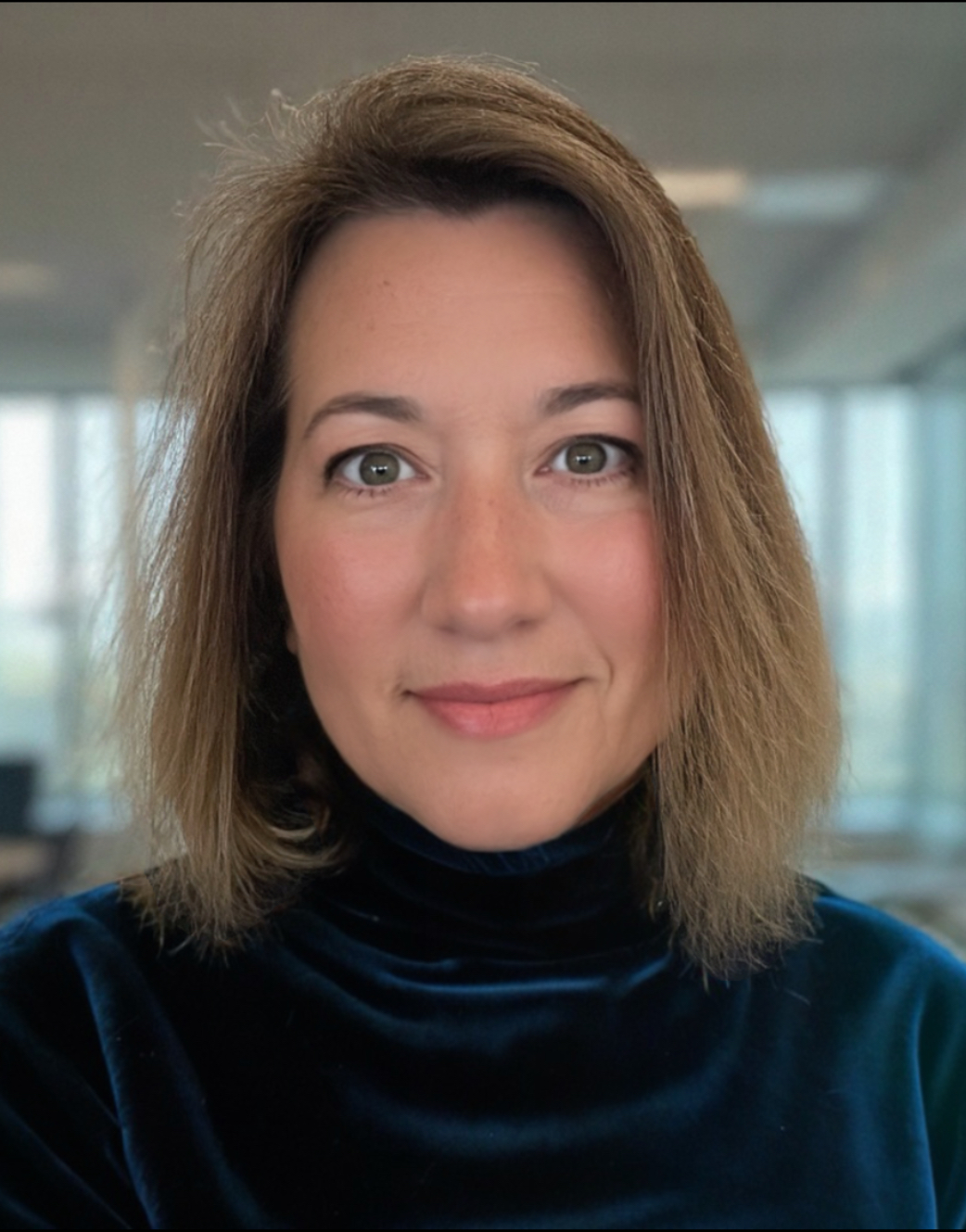
Trained Naturopathic Primary Care doc, end of life educator, patient advocate, death doula and nature lover
Dr. Abernethy has nearly twenty years as an advocate for health equity and patient access to care. She has led nonprofits, worked with WHO work groups in setting standards, helped establish an international patient centered outcome organization.
She is a former hospice volunteer, INELDA certified End of Life Doula and has worked with numerous families through the death process.


