Self-Care and Advocacy with Dr. Holly Lucille

What does it actually mean to advocate for yourself in the medical system? Dr. Holly Lucille, ND, RN, ONC sat down with Dr. Tina Kaczor for a candid conversation about helping patients access the best possible care through self-advocacy and shared decision-making.


What does it actually mean to advocate for yourself in the medical system?
Dr. Holly Lucille, ND, RN, ONC sat down with Dr. Tina Kaczor for a candid conversation about helping patients access the best possible care through self-advocacy and shared decision-making.
Navigating a cancer diagnosis is incredibly overwhelming. Between well-intentioned opinions from loved ones and rushed informed consent, it’s easy to feel lost. Dr. Lucille brings compassion and pragmatism to the table, explaining why we need to slow down, understand the true risks and side effects, and look at the whole picture—physical, emotional, and spiritual.
In this episode:
- The Power of Slowing Down: How to navigate a new diagnosis without being rushed into decisions.
- The Myth of "Forced Positivity": Breaking down the toxicity of societal pressure to stay positive.
- Holistic Resilience: The impact of adverse childhood experiences (ACEs), relationships, and the practice of habitual nourishment.
- Healing Tools that Work: A look at trauma-informed strategies like EMDR, brainspotting, and the role of spirituality in recovery.
Want to learn more about Dr. Lucille? Visit her website.
Leave a message and let us know what you liked about the episode!
Become a member of The Cancer Pod Community! Gain access to live Q&As, exclusive content, and so much more! Join us today on Buy Me a Coffee or on Patreon!
Check out our website! Looking for more information? We have blogs, merch, and all of our episodes listed by season and category.
Shop our favorite reads! We've joined with Bookshop.org to offer some of our fave books!
Buy our merch! Whether it’s a cozy hoody or a handy water bottle, we have something for everybody.
Have a comment or suggestion? Email us at info (at) thecancerpod (dot) com
Follow us wherever you browse. We're always @TheCancerPod:
THANK YOU!!
Become a premium member.
Join the #cancerinsiders. Membership includes:
-
A monthly (or so) newsletter packed with links to new episodes, compelling research, seasonal recipes, and practical health tips you’ll actually use
-
Behind-the-scenes updates
-
Bonus content from the podcast
-
Yoga videos to support your body and mind
-
Downloadable cheat sheets for quick reference
Join today!
00:00 - Choose Your Care
01:06 - Meet Holly and Voiceover
02:55 - Why Self Advocacy Matters
03:48 - From Compliance to Power
06:23 - Shared Authority in Decisions
08:18 - Slow Down for Consent
14:34 - Terrain Medicine Explained
17:17 - Family Stress and Resilience
19:25 - Victim vs Creative Cause
22:17 - Emotional Resistance Training
23:28 - Vulnerability and Honest Talks
24:08 - Men and Emotional Intimacy
26:20 - Prayer in Mind Body Care
27:10 - Agnostic Who Prays
29:51 - Responsibility After Diagnosis
32:10 - Making Big Life Changes
33:09 - Diet as Habitual Nourishment
36:10 - Mindful Medicine Podcast
37:20 - Teaching Patients to Advocate
39:04 - Closing Thanks and Next Time
[00:00:00] Holly: And in my opinion, the best thing for patients. would be like, you know what said, here's what I should do based on whatever it is, imaging my pathology, et cetera. You know what? Thank you so much. Smile and nod. I'm gonna go home and think about it and then I'm gonna come back and say, I choose to do this. Now why do I feel like that's important for people? I think it's important for people 'cause it gives them a sense of power
[00:01:06] Tina Kaczor, ND, FABNO: Well, Holly, thank you so much for joining me today. Such an honor to have you on the Cancer Pod. when I was reviewing some of your bio for this, I mean, I know that you have a ton of media appearances on all sorts of shows. I was really impressed with that. But you're also a voiceover artist.
What is that?
[00:01:24] Holly: yeah. You know, it was funny, um, a friend of mine, because I, I do a lot of, uh, sort of. for clients and such, and they're like, oh my God, you would be great. And so I'm like, what is voice overacting? And then I got into it, went through all of the courses, and yeah, it's basically, if you think about an actor screen, listen, now that I say this, you'll hear it all of the time. On radio, on commercials. There are people that you don't hear or you don't see, but you're here talking. That's people like me, a voiceover actor, and we just voiceover all of that content or that copy that you can't see. And so that's what that is.
[00:02:09] Tina Kaczor, ND, FABNO: So that's what that's officially called. Okay. So Leia, who I do the podcast with. Has also done that in the past, but I didn't know that that's what it was called.
[00:02:18] Holly: yeah. We're voiceover actresses. Ah.
[00:02:22] Tina Kaczor, ND, FABNO: Okay. Alright. Well now I know that sounds like a lot of fun actually, as soon as I heard it, I think of cartoons.
[00:02:28] Holly: Oh, well, I would love, well, there is, there's, there's whole, you know, there are different genres, right? There's commercial, there's anime, there's all sorts of things that you can get into if you're interested. And, uh, cartoons is one of them.
I actually took one of those classes and had a blast. I don't think I will continue on in that trajectory, but who knows?
[00:02:49] Tina Kaczor, ND, FABNO: Yeah, I, I think that's the direction I would go in because I would wanna like, just unearth some goofy voices. Yeah.
[00:02:54] Holly: Yep.
[00:02:55] Tina Kaczor, ND, FABNO: Alright, so, well, the reason we invited you here was not to talk about voice acting, but one of your passions is helping your patients get the best medical treatments possible. And I know this, and that.
Includes self-advocacy, navigating the systems that we have in place, no matter where you are. We have audiences around the world, but no matter what your system is in place, there is a level of self-advocacy that has to happen. And I, I kind of wanna talk to you about that. Like what do you see, at least in the United States, what are some of the hurdles to, folks getting really good medicine and good medical care?
[00:03:30] Holly: It's a great question and, and I think I'm gonna back up. You know, of the things that, um, I, I used to have a video. It's not on my website any further. I'm not sure where it is, so I should go look for it, but I loved it. It was like. Dr. Holly's number one health tip. And you know, you're thinking, what could this be? But it was actually, it was a video for me advocating for people using I statements. Like instead of like, and I hear this all the time, he put me on this and I say he, but it could be anything. Like, she put me on this. Um, she said, do this. It's basically this instructive. From the medical team, and in my opinion, what's more powerful you know, I've always thought that there's a difference between ad uh, compliance, right?
Well, they said do this and adherence. Adherence is like, think about it. A adhere like sticky. It's a sticky, it's a, it's a healthy attachment, a faithful attachment to something. And in my opinion, the best thing for patients. or consumers of medicine would be like, you know what said, here's what I should do based on whatever it is, imaging my pathology, et cetera. You know what? Thank you so much. Smile and nod. I'm gonna go home and think about it and then I'm gonna come back and say, I choose to do this. Now why do I feel like that's important for people? I think it's important for people 'cause it gives them a sense of power
and, and on the contrary. It doesn't allow them to be a victim, right? So you can be either a victim or a creative cause. So let's be a creative cause in your life. And so I think from an oncology perspective, there are so many different opinions out there, and I by all means, I do not want to disregard any opinion, whether it's standard of care, integrative, you know, a second opinion. from standard of care, but I want the person to feel empowered. So it's a scary diagnosis as you well know, as I well know, being diagnosed with breast cancer myself. so do we just march in line and go, oh, they said do this and that's what I'm gonna do? Or can we open up our minds a little bit and say. This is what they said. I'm gonna talk it over with my family. I'm gonna talk it over with maybe a second opinion. I'm gonna talk it over with an integrative, you know, FABNO like you are. And I wanna come up with a plan that feels solid to me, because in my opinion as well, that's where the strength is.
It's not just that I followed this procedure or protocol. I followed my heart, my head, and what I felt really resonated with me, and that gives the power back to people.
[00:06:23] Tina Kaczor, ND, FABNO: so is that, would that be akin to taking authority, some authority in this position where it's a mutual decision making with your caregiver, whether it's a medical oncologist or surgical oncologist, or whomever, where the patient feels at least in charge of the decisions rather than on the receiving end of the decisions?
Is that what you mean?
[00:06:42] Holly: absolutely. I mean, a hundred percent. I think that authority and you know, I always talk to my patients and I'm like, look, I'm your partner and you're the boss. And I say that and I mean it.
their partner and they are the boss, it's my job to give. And in part, docere means in Latin what? "To teach"
[00:07:03] Tina Kaczor, ND, FABNO: Right? Yeah.
[00:07:03] Holly: Want to as much as I know about that individual case, about the individual recommendations of standard of care, I wanna impart it in a way where those people then at consuming my care or the standard of care care, can put the dots really close together, then they connect them themselves and they make that informed decision and they have authority over what's next because. I think that's where their power comes from. And the authority, as you said, comes from
[00:07:38] Tina Kaczor, ND, FABNO: So it is almost like you're taking, well, it's literally an opinion, right? In medicine, you go to the doctor to get their opinion, Now, of course, the medical oncologist or surgical oncologist or radiation oncologist, whomever, has more expertise. So you give their opinion more weight than anyone else perhaps.
But this is where you get another opinion, perhaps a second opinion. Somebody with equal caliber so that you can then have opinions coming in, and then what you're saying is line up the opinions, digest them and say Yourself, I'm going to make the conscious decision to go this and follow this one or that one, or whatever.
[00:08:10] Holly: Yeah, instead of just a streamlined sphere based
[00:08:16] Tina Kaczor, ND, FABNO: Yeah.
[00:08:18] Holly: I want it to be a more informed consent. And I think that comes with being able to pause and being able to slow down a little bit really taking all of the information because. You and I probably well know. when somebody gets a cancer diagnosis, everybody's weighing in.
There's a lot of cooks in the kitchen
[00:08:40] Tina Kaczor, ND, FABNO: Yes, there is.
[00:08:41] Holly: it can be overwhelming. And I think that those people need to be kind of weeded out at the same time. And it's like, if, and, and look, everybody's different, right? Depends on how you grew
[00:08:52] Tina Kaczor, ND, FABNO: Mm-hmm.
[00:08:53] Holly: you are, have been informed about how you can actually, you know, have a voice
[00:08:59] Tina Kaczor, ND, FABNO: Yeah.
[00:09:00] Holly: There might be a situation where somebody in their, know, biography or biology, didn't ever have a voice,
[00:09:11] Tina Kaczor, ND, FABNO: Mm-hmm.
[00:09:11] Holly: maybe this is now a time where I can have a voice and I wanna listen to everything everybody's saying, and I'm gonna take that little sheet and go, pros, cons,
[00:09:21] Tina Kaczor, ND, FABNO: Yeah.
[00:09:22] Holly: you. it's that person who is going to receive the treatment that gets to decide. And I think it's a better outcome. This is just me no evidence base right here. This is just me saying I think it's a better outcome when somebody can own their decision because they know that's what they wanna do based on all of the information they got. And they're gonna say, yep, let's execute. And I think that's powerful.
[00:09:47] Tina Kaczor, ND, FABNO: Yeah, that's interesting. 'cause I think to myself, it's really a challenging time to, to. Become that. If that's not who you are already now may come to some surprise to you, Holly, but that's who I am already. I'm like, I'm like whatever the situation is, I'm like, step aside, I'm taking over. So that's easy for me.
But I do know people where that would be very challenging 'cause that's not who they are. And so I hear what you're saying. 'cause some people maybe this is a, an opportunity to become more. To have more self-agency in the moment. I would actually wonder if that is facilitated by bringing someone with you who, who allows you to be that I, I I have this thought where people are, are kind of what you expect them to be.
So in a relationship. You know, especially long-term relationships, whatever those two characters are in that relationship, that's who they bring in the room and they're gonna stick to that role a little bit, where let's just say it's a man and a woman in a traditional relationship and for whatever reason, you know, he's a dominant personality and she's snot.
If she goes in there with her best friend, it's a very different person than who just walked in the room than if she comes in with someone who maybe she has a dominating husband. Right. Do you, so, so now I'm wondering like, would that facilitate that to go with someone who actually helps you become more
[00:11:08] Holly: yeah.
[00:11:09] Tina Kaczor, ND, FABNO: strong?
[00:11:10] Holly: I think it's a great, it's a great, um, point and it's also a great point, not just for this, scary diagnosis, but maybe for life in general. It's like,
[00:11:18] Tina Kaczor, ND, FABNO: Yeah.
[00:11:19] Holly: hun? I'm gonna have you stay home and, uh, I'll let you know how, how this goes. choose somebody who. And I see this all the time in my practice as well, and I see that dynamic, uh, with women who are going through breast cancer.
And I don't wanna just say women go through breast cancer. I know men go through breast cancer as well, so I, I wanna be very sensitive to that. their husbands, um, in this case are very, uh, scared. And so they get do like, just why, why can't you just do what they're saying?
[00:11:50] Tina Kaczor, ND, FABNO: Right.
[00:11:51] Holly: And the women are taking a pause. You know, you know, there is, I, I wanna, there, there's actually research from, uh, Polish medical centers in 2024 that found that cancer patients suppress their anxiety more than the general population, which I don't know in this day and age. Oh, that's possible because there's a lot of anxiety right now.
And those, and those who control their emotions. Most tended to seek less emotional support and use more self blame and denial like. This is coming out in the research. There's also from the American Institute for Cancer Research in 2018, been clear about this, calling it the tyranny of positivity when there's pressure to be ceaselessly positive,
[00:12:37] Tina Kaczor, ND, FABNO: Mm-hmm.
[00:12:37] Holly: can also be burdensome, and I think invalidating, you know,
[00:12:40] Tina Kaczor, ND, FABNO: Right.
[00:12:41] Holly: right way to approach this whole diagnosis emotionally. But I think my point with you is that. You said it best, the agency of having self control um, and having agency over your body and what's going to be done to it based on, all the options that are offered to you.
[00:13:05] Tina Kaczor, ND, FABNO: Yeah. Yeah. And you mentioned the word informed consent, and I, I would say that is another reason to slow down and to take your time and to listen to the, to the medical team, because as a, as an. As a patient, I think sometimes things are just done so quickly. I've had a lot of patients who after the, after the fact, after treatment, they, they're like, I didn't know that this, this, and this could happen, or, I didn't realize that these side effects could be permanent or whatever.
So I think that it's really, to your point, really important to just take a moment, take a deep breath, make sure you digest everything. And literally, if you don't, if you're not given the pros and cons ask for them, like what's temporary? What's permanent, what can be managed, what can I prevent?
Right? In our world of integrative oncology, we like to prevent this side effects of treatment, not just treat them once they come. So, yeah, that's, it just kind of struck that chord to me of, of informed consent is not always so informative.
[00:14:00] Holly: And it, no, it's not informative. It, it's actually you just signing a document that, hey, you know, this could happen if we do it. Um, it's more like, get curious before critical. Let's get curious about, can you talk to me a little bit more about that? And I just, you know, I think you bring up another great point, I know this is a diagnosis of immediacy,
[00:14:24] Tina Kaczor, ND, FABNO: Mm-hmm.
[00:14:25] Holly: kind of, right? For a lot of people. But it's counterintuitive, but it is also time to slow down. You gotta slow down. Like you gotta think about what is your, like about terrain medicine a lot, right? So terrain medicine. Whoa, what is that? Uh, my, my best thing is like, okay, if you got a little goldfish swimming around in a. A dirty tank, are you gonna clean out the tank? Are you gonna vaccinate the goldfish? You and I are gonna want a look at, kind of
[00:14:55] Tina Kaczor, ND, FABNO: Mm-hmm.
[00:14:55] Holly: clean out that tank. Um, there's a lot of things that inform, the cancer micro, you know, environment, the tumor and microenvironment. What's driving it?
Let's talk about that more. Let's slow down and s see, you know, it's like, mean, I can tell you with my own cancer diagnosis, oh my goodness, there were so many things out of balance that as I know now contributed I think clearly, to this, uh, my journey and to my diagnosis and my ability to understand that and clean that up. is huge because it's huge for healing and it's also huge for, what do we worry about?
So the number one risk factor for having cancer is what, already having had cancer. It puts you in a new risk category and so, so it's to avoid recurrence and to clean up that terrain or microenvironment. That, kind of contributed to why this happened in the first place.
[00:16:03] Tina Kaczor, ND, FABNO: And are you talking about physical, terrain, mental, emotional, spiritual? What are we talking or all of them? Bing, bing, bing.
[00:16:11] Holly: bing, bing, bing, bing. You checked all the boxes. All of it,
[00:16:14] Tina Kaczor, ND, FABNO: Okay.
[00:16:14] Holly: like was the, um, the adverse childhood events that this work was done in the seventies, but I have to tell you that I think it's really important work that is showing that. how you grew up as a kid and if you could take this quiz, the adverse childhood events quiz, um, and if you score high on it, I can tell you with my population on my roster at least, are scoring pretty high and we have to understand and unpack that a little bit.
So, yeah,
[00:16:45] Tina Kaczor, ND, FABNO: Yeah.
[00:16:45] Holly: it's physical for sure. Like we have to think about our environment. Let's think about what we've been exposed to, uh, emotional. We have to think about what we've been through, what we can process, what we don't process very well,
[00:16:57] Tina Kaczor, ND, FABNO: Mm-hmm.
[00:16:58] Holly: spiritual, do we have a connection, you know, outside of ourselves to something.
All of that I feel in my experience with working with people to make a huge difference.
[00:17:09] Tina Kaczor, ND, FABNO: Yeah. Yeah. And you're still working with patients now, right? You're still seeing patients. Okay. That so, okay. Um, yeah. I mean, I think ingestion is a funny word, right? What we consume, what we ingest, and it's not just food.
[00:17:23] Holly: Yeah,
[00:17:25] Tina Kaczor, ND, FABNO: That, that I, I think as people reflect on that, they can really be like, oh, that relationship or that person in my life, and you know, I've said this before on the podcast, there are people who are in relationships that they can't get out of.
Right. That's family. That's not good for them. So they have to find ways of managing that so that they can not take on the toxic aspects of that relationship.
[00:17:48] Holly: It's interesting that you say that 'cause um, my wife and I were having a conversation about this, uh, the other day. you feel. Um, a connection with somebody outside of your family of origin or even extended family, and you're like, you feel like family to me. I'm like, wait a minute, wait a minute.
Should we reframe that a little bit? Because it's the family of origin or extended family that we're actually having issues with. So I know how it, I, I know what it means, right? So you wanna say it's like, oh my God, you feel like family? Like, I feel like I've known you for all my life. I, you feel like family to me. it's, it's that one thing where I'm like. I think we should reframe that. Um, like I've known you for a long time, or I feel like I've known you all my life. Well, let's just do that because it's interesting and you know, I think that we do come through with contracts with our family and other people, and they're important.
They, they're teachers, right? Our, our family, our mom and dad. and again, you know, can we be a victim or a creative cause, Uh, we were dealt, you know, across the board, the, the, the, the hand that we were dealt. How are we gonna play it? You know, can we be like, whew, that was rough and that sucked, and I wish I had something different, but this is what I've learned from it.
This is how I'm gonna affect the world. This is how I'm gonna affect myself. This is how I'm gonna grow and heal and we get to be o of our own growth. And I think that's so important.
[00:19:25] Tina Kaczor, ND, FABNO: So what I hear you talking about is basically resilience is another topic we've touched on here, but um. When you say that, would you call it a creative cause? Talk to, you've used that phrase a couple times and I've never heard the phrase creative cause.
[00:19:38] Holly: Yeah.
[00:19:39] Tina Kaczor, ND, FABNO: what does that mean exactly?
[00:19:41] Holly: I
[00:19:41] Tina Kaczor, ND, FABNO: like
[00:19:41] Holly: that if you, if you, if you positioned against being a victim Right. Or a creative cause, let me just throw out something. Like, let's say you were the child of two really abusive alcoholics.
[00:19:54] Tina Kaczor, ND, FABNO: Okay.
[00:19:55] Holly: Um, you could easily fall into a victim category of that. Like that is tough, right?
Where people use substances to avoid their feelings or whatever they did and why they did it. But it's there were, they were not emotionally maybe physically. Available or they were there, but they were abusive. I think as you know, I think kids are victims of that. But as we
[00:20:22] Tina Kaczor, ND, FABNO: Sure.
[00:20:23] Holly: okay, sure. can we be a victim of that and, and live that out? Or a creative cause? And the creative cause What I mean by that, or at least what I think I mean by that is can you use that into, know. Superpower, can it be good or evil? And the good part is you, you know, you, you experienced it. You might see other people in the world that are experiencing it or had experienced it you can identify with and maybe help or you can help yourself as an adult going, you know what? That was not a great hand that I was dealt, but guess what? I got an ASCE up my sleeve. That means I am going to. Get help where I need it, whether it's psychotherapy, whether it's somatic therapy, like EMDR, brainspotting, et cetera. I have to heal from the wounds that you know, I was born into and, and that is where I think a creative cause is.
You get to be more creative in the cause Wounded you and you get then to not only heal yourself in a way, but you get to be a better healer in the world. And I think it all comes full circle.
[00:21:38] Tina Kaczor, ND, FABNO: Okay. Yeah. Yeah. I've got all sorts of, of analogies in my head. You know, the phoenix that rises from the ashes or the Alchemist who takes base metals and makes gold, or, you know, like there's all sorts of ways of, of framing this, but I think I understand what you're saying now, which is, is, is, is it's tough.
But there, there are ways, You mentioned EMDR, what are some ways that you have found your patients use effectively to tap into this resilience that is there, but maybe it, it's not a, you know, well practiced muscle, so to speak. So what are some of the ways in which your patients have found, um, a way to,
[00:22:15] Holly: Yeah,
[00:22:16] Tina Kaczor, ND, FABNO: to that.
[00:22:17] Holly: that's a great question and I love that you use the muscle. Um, uh. Analogy or even the muscle term, because I think I would, frame it as a gym, right? If
[00:22:29] Tina Kaczor, ND, FABNO: Mm-hmm.
[00:22:29] Holly: to the gym and we push, push against resistance, right? What do you do when you push against resistance? You break down things like. Muscle fibers in order to grow back stronger.
[00:22:39] Tina Kaczor, ND, FABNO: Mm-hmm.
[00:22:40] Holly: that's what, that's what weight training does, um, any resistance training does. And I think from an emotional perspective, from a psychological perspective, from a spiritual perspective, you go into that arena. Whether, and, and, you know, for anybody, I think it's different.
Tina, you and I both know that, you know, talk therapy is great for some people. Um, more somatic, uh, getting outta your frontal cortex and getting back into like your EMDR brain spotting, um, that could be effective for folks. you have to start somewhere. Just start talking it out. I think that's, that's the best thing.
But I do think that's the mental. Jim, you
[00:23:19] Tina Kaczor, ND, FABNO: Mm-hmm.
[00:23:20] Holly: against resistance for things that are really hard, but you break it down because, and then you grow back stronger. You know, I was just talking to my friend today. Uh, I, I moved from LA where I, I lived for 35 years. I've moved to this very small town, Santa Fe, New Mexico, which I adore and love, and it's. Beautiful. know I don't live in LA anymore, but gosh darn. I don't feel like I live here right now.
[00:23:44] Tina Kaczor, ND, FABNO: Mm-hmm.
[00:23:45] Holly: And when I was talking to her, I got teary a little bit and I just, but I think that was a good thing for me, just like,
[00:23:52] Tina Kaczor, ND, FABNO: Yeah.
[00:23:52] Holly: don't know where I'm at right now. Um, and that's just the state of the union for me.
I
[00:23:58] Tina Kaczor, ND, FABNO: Right.
[00:23:59] Holly: and that, uh, I didn't expect to cry. I just started to cry and I was like, oh, this must be healthy.
[00:24:06] Tina Kaczor, ND, FABNO: Yeah. Yeah.
[00:24:07] Holly: with it.
[00:24:08] Tina Kaczor, ND, FABNO: Well, and you know, now that you say that, I mean, I think. By and large women have that at their disposal more than men. Men's relationships don't foster that type of intimacy and sharing. So this might be more challenging for, for some people than others. You, if you have people you can talk to and you, you're talking honestly enough to get yourself to some place you didn't even know you were gonna go because you're having an honest heart to heart with someone.
Um, that's quite a, it's quite a nice. To have. Right? Like I think that we all need that in our lives and we need to foster those relationships so we can have those, those moments where who knew that that was gonna be, yeah.
[00:24:48] Holly: men have that inside of them. Um, I, gosh, uh, Tina, is funny, but I, I saw a meme today, or it might have been a reel or, I'm on social media like every seventh, every seventh day for seven seconds, I should say. And, but there was this man, she's like, yeah, I got some lesbian neighbors and they got a son.
And I just, and this is exactly what he said, he was like. Kind of worried about him. You know, he doesn't have a father figure, so he's not gonna know how to suppress emotions. He's not gonna know how to like, and he went on with all this disparaging things about men and I, it was really funny, right?
[00:25:27] Tina Kaczor, ND, FABNO: Right.
[00:25:28] Holly: But I think it brings to light, um, that. I don't know. Do we wanna go all the way back to John Gray and the book Venus and Mars and women and men being different? I mean, we could, but, but I think it brings to light that, you know, I think men have these emotions as well and they have access to them and still think in our society we don't allow it enough.
[00:25:51] Tina Kaczor, ND, FABNO: Absolutely.
[00:25:52] Holly: um, I think that's part of our. Our responsibility is to let people talk and to be heard. Uh, men, women, whatever you, uh, identify by.
[00:26:04] Tina Kaczor, ND, FABNO: Yeah. Yeah, I agree. I agree. And that's where the, the, whether it is family or it's partners or it's friends, I think it's so, so important to keep our relationships strong for that very reason. Yeah.
[00:26:17] Holly: very much so.
[00:26:18] Tina Kaczor, ND, FABNO: So. Let me ask you this. This is kind of an interesting question in the grand scheme of mind body medicine and, and I've looked at a lot of the data on mind body medicine and some of it says like 90% of patients practice mind body medicine.
But generally speaking, there's do when they, as soon as they put prayer on that list, it jacks it, right? So where does like formal prayer fit in the scheme of things? And I'm only saying this because I feel like this is something that. Nobody talks about like in the data, like are we talking meditation?
Are we talking prayer? Are we saying going to church is therapeutic or going to synagogue? I don't know. Like where does it fit in the mind, body picture in your mind? Like is it separate from everything else we're talking about? Or is it like, okay, that I already do that practice, I can just keep doing that.
[00:27:10] Holly: I, gosh, what a beautifully complex question for me. Um, because I'm an agnostic person that prays.
[00:27:20] Tina Kaczor, ND, FABNO: Okay. Yeah.
[00:27:21] Holly: I think prayer fits beautifully for many people. You know, whether someone comes from a formal faith tradition or simply a deep personal spirituality, prayer can be a source of comfort, connection, And I think also hope, and I, I, think we need to overcomplicate it for the most part. If it helps someone feel held, know, less alone and more grounded, that's meaningful. My grandmother, oh my gosh. She on my dad's side, Bible thumper and mean, and like, mean, so mean, so mean, like, like, uh, Spanky with a butter stick mean like
[00:28:04] Tina Kaczor, ND, FABNO: Oh.
[00:28:05] Holly: but very religious, you know?
And so there's a lot of, uh, conflicting, um, messaging that I got from somebody who is so religious,
[00:28:16] Tina Kaczor, ND, FABNO: Right.
[00:28:18] Holly: But mean, and so, and I think, I think that's true for a lot of people that I've talked to on my roster. I call 'em roster because I think we're a team, my patients and such.
[00:28:29] Tina Kaczor, ND, FABNO: Okay. It sounds, get a high school coach on my roster. I'm like, I can now I get it.
[00:28:36] Holly: they're all on my roster, you know?
And so, but I pray every, I pray every day. I pray every night. Um, and again, um, I'm, I'm fairly agnostic in my, I remember going to college and going to every single, um, uh. I don't know, Buddhist, uh, I was into Kat Stevens 'cause I'm a musician, so at the time I'm like, what's his religion? I really would like to be Islamic.
Like, I mean, I just, I learned about everything, right?
[00:29:04] Tina Kaczor, ND, FABNO: Yeah.
[00:29:05] Holly: so, and I was great. It was great for me, but at the end of the day, I was like, I think there are commonalities and everything.
[00:29:12] Tina Kaczor, ND, FABNO: Yeah.
[00:29:13] Holly: I just wanna be. A person that's thoughtful and that's grounded in wanting to learn about how other people feel about they've come from. you know, like I said, I lived in Los Angeles. Los Angeles, like the melting pot. There were so many different diversities there
[00:29:32] Tina Kaczor, ND, FABNO: Yeah.
[00:29:33] Holly: 35 years. it was such an education because I got to experience all of it. And so, um, to, to answer your question, I think prayer is really important, but it, it. It's, it, it's, it's so different for every, every single individual, how
[00:29:48] Tina Kaczor, ND, FABNO: Yeah.
[00:29:48] Holly: our medicine.
Right.
[00:29:49] Tina Kaczor, ND, FABNO: Right. I totally agree. It's, it's an individual's choice and what's good for one person may not work for another person. And and I always say, you know, when people get any diagnosis, no matter what the diagnosis is, if it's, you know, cancer or it's, and whatever it is, if it's life altering. They bring themselves to the diagnosis.
You know what I mean? You don't just become something after the diagnosis, like, suddenly I'm gonna be a resilient person or whatever. Like you just, you're still who you are. You still like, we're all a work in progress, I guess is is kind of the take home there and we're just,
[00:30:20] Holly: much so.
[00:30:21] Tina Kaczor, ND, FABNO: yeah.
[00:30:22] Holly: And you know, things that might have contributed or behaviors or patterns that might have contributed, uh, to the diagnosis and, and legitimately, like not just like woo woo, like legitimately those sometimes after. A bit of time can come back. And that's what I think is really important for people to understand is like, how can we shift this?
You know, how can we shift that, um, personal responsibility in a sense? Um, and again, not being a victim like this was done to you or you're
[00:30:57] Tina Kaczor, ND, FABNO: Right.
[00:30:58] Holly: for it, but can we empower people to say, look, you know. I've looked at everything and I feel like x, y, and Z may, may be contributed to it. Um, we could change this, could have a better outcome for, not a re, you know, not having a recurrence and just being more resilient and, um, not just surviving, but thriving.
[00:31:27] Tina Kaczor, ND, FABNO: Yeah. Yeah. And when it comes to our relationships and those, those tough relationships that people have to deal with, and there's all sorts of different ones out there, whether it's from the past or present, um, yeah, it's, it's, it's at once taking responsibility for your own action or reaction and not laying it on anyone else, but shifting it, you know, because if you keep doing what you've always done, you're gonna keep getting what you've always gotten.
[00:31:53] Holly: that is a great, like do what you've always done, get what you always got. I mean, that's just a universal law. Like you
[00:31:59] Tina Kaczor, ND, FABNO: Yeah.
[00:31:59] Holly: I don't think you can really, I don't think you can really argue with that.
[00:32:03] Tina Kaczor, ND, FABNO: Right.
[00:32:04] Holly: People
[00:32:04] Tina Kaczor, ND, FABNO: Yeah. I dunno, we, we'd like it to be different than that, but that is the truth of the matter. Yeah. And, and yeah, sometimes it's big changes people make. I, I had a patient who, you know, had to quit her job in order for her to like, have some peace. She's like, I got, I gotta quit. I was like, you're gonna have to quit then.
Like, I don't know what to tell. I mean, she knew the answer and sure enough she quit. She felt so much better and, but it was a big deal. I mean, she was a single mom and she needed her job and she's just like. You know, she heard herself saying things like, this job is killing me. And you know, like she just, it, she was so stressed out from that job because I think the first 15 minutes of every visit was at least spent on how the boss was, you know, making her world miserable.
And I'm just, you know, you gotta make changes when you, when you hear yourself continually coming back to some pain point or toxic ingestion, call it,
[00:32:52] Holly: yeah,
[00:32:53] Tina Kaczor, ND, FABNO: you ask yourself, can I get rid of it?
[00:32:55] Holly: that's an interesting thing, like just to hear somebody say it like, and we say it all the time casually like, this job is killing me.
[00:33:01] Tina Kaczor, ND, FABNO: Yeah.
[00:33:02] Holly: when you really back up and break that down. Um, yeah.
[00:33:06] Tina Kaczor, ND, FABNO: Yeah. You gotta hear yourself, right? You are like,
[00:33:09] Holly: You know, I always think in whole person care, which I think what is what, at the end of the day, we, we practice, you know, I mean there's all sorts of functional medicine and integrative medicine and holistic medicine and naturopathic medicine or whatever, but I think we're looking at the end of the day at people as whole people and what is their relationship with their environment? What is their relationship with their selves? What is their relationship with their, you know, food. I remember. I remember getting ready to give a talk and I, I think I had to give my, the, uh, title of the talk like six months before the talk was ever due.
[00:33:47] Tina Kaczor, ND, FABNO: Yes. I hate that. Yeah,
[00:33:49] Holly: that's
[00:33:49] Tina Kaczor, ND, FABNO: I'm not good at that.
[00:33:51] Holly: so I remember like throwing together something and I was like, oh, was I thinking? And happened to be in the, uh, title
[00:34:01] Tina Kaczor, ND, FABNO: Okay.
[00:34:02] Holly: need to look up the word diet. Right. Novel.
[00:34:07] Tina Kaczor, ND, FABNO: Seems simple. Yeah, it should be self-explanatory. No.
[00:34:10] Holly: No. Wait, I look at the word diet. What does diet mean? I was so, I mean, it was just, it was, I was like blown away. It means habitual nourishment. How as a habit do you nourish yourself? And I was like, oh my gosh. This is a whole way of. This a whole different way of, of thinking about it
[00:34:31] Tina Kaczor, ND, FABNO: Mm-hmm.
[00:34:32] Holly: nourishment means so many things.
Diet means so many things, but nourishment is, mean, and food in general can be like, it is, it is. Uh, we wanna use food as medicine, obviously, but food can be a drug. It's social, it's religious, it's celebratory. It's
[00:34:51] Tina Kaczor, ND, FABNO: Yeah.
[00:34:52] Holly: And so. It really helped me nuance how I started to talk to people in my practice about how they nourish themselves,
[00:35:01] Tina Kaczor, ND, FABNO: Yeah.
[00:35:02] Holly: sometimes people don't feel worthy of being nourished, and that again goes back to everything that we've been saying.
And so, you know what you and I do with integrative cancer, journeys and people that are experiencing them. Uh, food and diet is a lot of it, right?
[00:35:21] Tina Kaczor, ND, FABNO: Yeah, sure.
[00:35:22] Holly: that piece, that sliver of nourishment was so huge to me to be
[00:35:27] Tina Kaczor, ND, FABNO: Yeah.
[00:35:27] Holly: break through and start talking about. So
[00:35:29] Tina Kaczor, ND, FABNO: Yeah.
[00:35:30] Holly: that was like super interesting to me.
[00:35:33] Tina Kaczor, ND, FABNO: Yeah. Well, it's a good thing you committed to that six months ahead of time.
[00:35:37] Holly: idea that I thought I was gonna talk about was not the idea that
[00:35:40] Tina Kaczor, ND, FABNO: Yeah.
[00:35:41] Holly: that I
[00:35:41] Tina Kaczor, ND, FABNO: That actually happened.
[00:35:43] Holly: Let's just say that. So yeah, screw these people that ask for our slides and titles way too soon because the world is changing really, really quickly. And so are we.
[00:35:53] Tina Kaczor, ND, FABNO: Yeah. Yeah. I, I have scrapped entire lectures and, and redone them three days before an event. Yeah. Because, you know, at that moment it didn't feel fresh anymore. They're like, how am I gonna give a lecture that's so stale? It's three months ago.
[00:36:07] Holly: three months ago. Three months ago.
[00:36:10] Tina Kaczor, ND, FABNO: Oh, well, I'm, I'm trying to think, is there anything else? What do you, this, these days? Is there anything, you had a podcast, do you still have a podcast?
[00:36:19] Holly: I was called Mindful Medicine. Um, I had so much fun. Uh, Alan Arkin was one of my favorite guests. before he passed, I, I was able to interview him and he, he, he, uh, I, people don't know this about him, but he wrote like. A lot of books. I don't wanna say the number 'cause I think I'll misquote myself, and him, um, it was great.
Uh, and it was really about trying to open up people's minds about medicine and all of the seductive messaging and from the medical establishment and also our industry as well. And just really start really talking about it. So, over 500 episodes, you can still find it on Radio md.
[00:36:56] Tina Kaczor, ND, FABNO: Oh,
[00:36:57] Holly: so Mindful
[00:36:58] Tina Kaczor, ND, FABNO: mindful medicine.
[00:36:59] Holly: Mindful medicine was great. Um, we'll, we'll see what's gonna happen next, but at this point in time, I'm really, wanting to be a helpful advocate and a good, practitioner for folks that are experiencing this. Very scary. think it's a scary diagnosis. I think that there's still a c word out there.
Um,
[00:37:18] Tina Kaczor, ND, FABNO: too. Mm-hmm. Mm-hmm.
[00:37:20] Holly: help people slow down and make good decisions,
[00:37:22] Tina Kaczor, ND, FABNO: Yeah.
[00:37:22] Holly: and, and know that, you know, the terrain and the microenvironment and whatever's fueling that, you know, it's almost like, it's almost like our immune system in general, right? So, you know, one of the funniest things that I've ever heard from anybody is like, oh, my husband gave me a cold, and I'm like. I don't think that's how it happens. it's like you actually have an immune system that can, and so it's really about that docere, you know, in Latin, again, means to teach. And so, you know, I don't think anybody can give you a cold. You can catch a cold because, well, we can go through that, you know, as well. Hey, why does a, a cancering tumor happen? You know, can we talk about that and get into that a little bit more so we can understand what happened, care for you in an appropriate way, make informed decisions about your treatment.
[00:38:15] Tina Kaczor, ND, FABNO: Right.
[00:38:16] Holly: advocate for second opinions and integrative folks like you, myself. Um. And then prevent, recurrence in a, in a system that has already proven to be cattiwampus
[00:38:30] Tina Kaczor, ND, FABNO: Mm-hmm. Sure.
[00:38:32] Holly: if it wasn't cattiwampus in the first place, and by the way, cattipampus is a word that I, that I adopted from lovely friend, Dr. Tory Hudson. Um, we were, we were cutting down trees and she was like, don't, don't, stack 'em So cattywampus. And I'm like, what are you
[00:38:49] Tina Kaczor, ND, FABNO: What the heck is that? Yeah,
[00:38:51] Holly: want this, but you can actually look it up.
It does mean something. And I don't know how to spell it, but anyway. Um, but it's, it's just doing that and, and helping people feel more confident and secure in their body.
[00:39:03] Tina Kaczor, ND, FABNO: yeah. Well, this has been a fabulous chat and I would love to have you back and talk more about other topics because it's just really an easy. Easy to talk with you, Holly. And, uh,
[00:39:15] Holly: my pleasure. Anytime you let me know.
[00:39:17] Tina Kaczor, ND, FABNO: we live in parallel worlds out there in the naturopathic community. We, we seldom cross paths, but I hope that that changes in the near future.
Thank you, Tina.
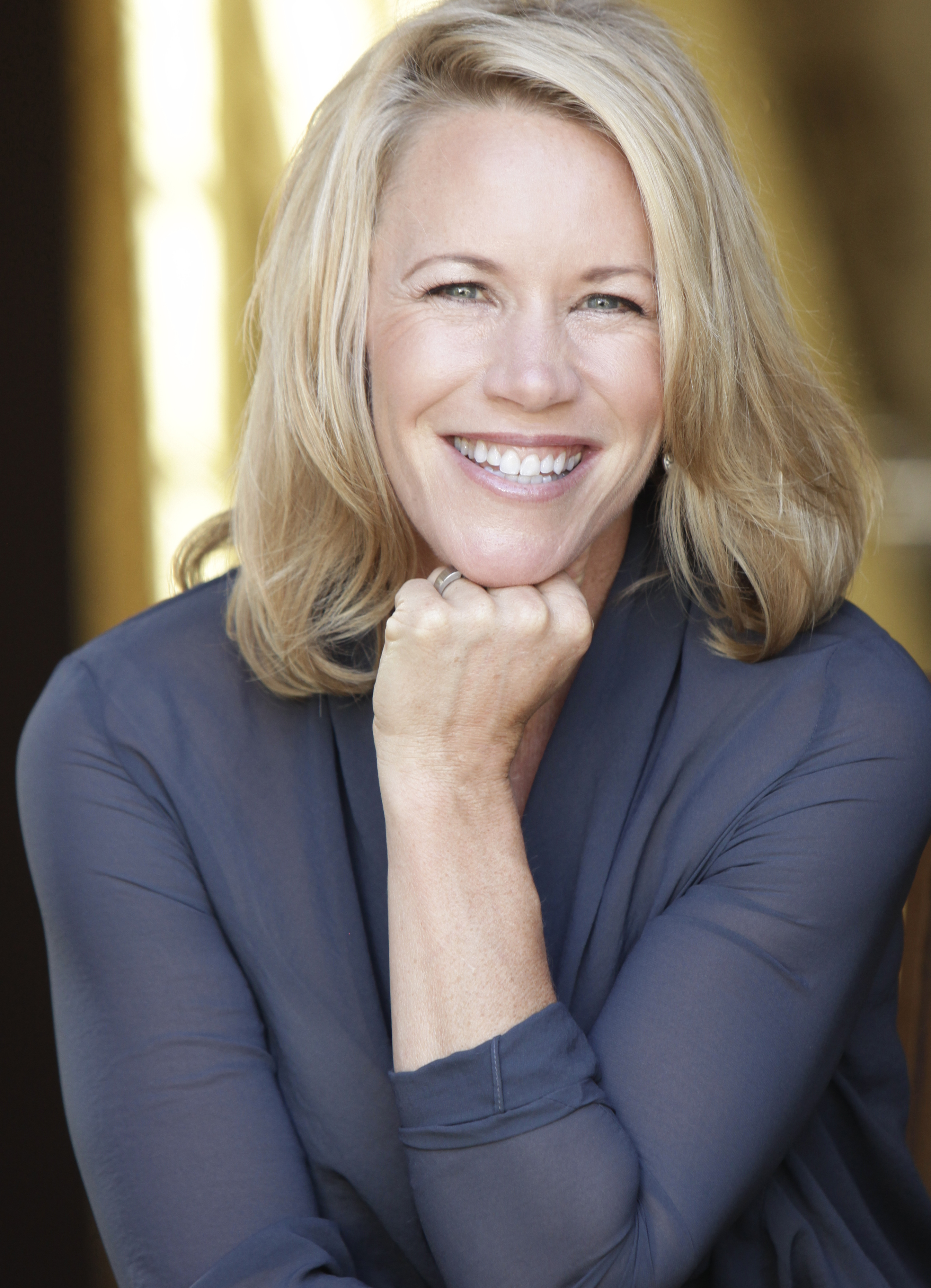
Dr. Holly Lucille, ND, RN, ONC is a nationally recognized and licensed naturopathic doctor, educator, natural products consultant, and television and radio host. She is also the author of several books including Creating and Maintaining Balance: A Women’s Guide to Safe, Natural, Hormone Health and The Healing Power of Trauma Comfrey.
An acclaimed expert in the field of integrative medicine, Dr. Lucille lectures on a variety of natural health topics. Her appearances include national media programs and networks such as Dr. Oz and The Doctors. She is regularly quoted in both consumer and peer journals, and was listed in Time magazine’s “Alt List” as one of the “Top 100 Most Influential People.” In 2012 she launched her own talk show, “Myth-Defying with Dr. Holly and is now the host of the podcast “Mindful Medicine” on RadioMD and ITunes as well as the chair of the Institute for Natural Medicine.
Dr. Lucille believes in the science, art and mystery of healing and has a heartfelt passion for the individual wellness of all people. Her private practice focuses on comprehensive naturopathic medicine and individualized care.


