
The Power of Connection with Beth Blakey, CEO, Cancer Hope Network
Beth Blakey, CEO of Cancer Hope Network, discusses the organization’s 46-year mission to ensure no one faces cancer alone. The unique model of free, confidential, one-on-one peer mentorship connecting patients and caregivers with trained cancer survivors or caregivers continues to touch lives.


Leave a message and let us know what you liked about the episode!
Cancer Hope Network CEO Beth Blakey on Peer Mentorship, Caregiver Support, and Connection in Cancer Care
Beth Blakey, CEO of Cancer Hope Network, discusses the organization’s 46-year mission to ensure no one faces cancer alone. The unique model of free, confidential, one-on-one peer mentorship connecting patients and caregivers with trained cancer survivors or caregivers continues to touch lives. Blakey shares her personal story that led her to join the organization in 2019, and how she rose to become the CEO. She explains how, even in the midst of rapid technological advances, one thing has not changed: the need for personal connections. Cancer Hope Network facilitates these connections the old-fashioned way, through helping patients and their caregivers one on one. Blakey also outlines key initiatives: Cancer Hope Network en Español, the TACT (Talking About Clinical Trials) program, and Hopeful Hearts for parents of children and adolescents with cancer.
Learn more about the expert cancer care and support of Cancer Hope Network on their website.
Follow Cancer Hope Network:
Instagram
Facebook
TikTok
Become a member of The Cancer Pod Community! Gain access to live Q&As, exclusive content, and so much more! Join us today on Buy Me a Coffee or on Patreon!
Check out our website! Looking for more information? We have blogs, merch, and all of our episodes listed by season and category.
Shop our favorite reads! We've joined with Bookshop.org to offer some of our fave books!
Buy our merch! Whether it’s a cozy hoody or a handy water bottle, we have something for everybody.
Have a comment or suggestion? Email us at info (at) thecancerpod (dot) com
Follow us wherever you browse. We’re always @TheCancerPod:
Become a premium member.
Join the #cancerinsiders. Membership includes:
-
A monthly (or so) newsletter packed with links to new episodes, compelling research, seasonal recipes, and practical health tips you’ll actually use
-
Behind-the-scenes updates
-
Bonus content from the podcast
-
Yoga videos to support your body and mind
-
Downloadable cheat sheets for quick reference
Join today!
00:00 - Connection Matters
01:14 - Meet Beth Blakey
02:03 - Finding Cancer Hope
06:00 - Mentor Training Basics
09:19 - Reaching Patients
14:02 - Better Hospital Integration
17:49 - Caregiver Loneliness
22:57 - How Matching Works
26:30 - Why Not An App
30:13 - Future Vision
33:23 - Special Programs
37:39 - Closing Thanks
[00:00:00] Beth Blakey: and. almost 46 years now, we have been doing that one thing. We have stayed true to our mission, which is, you know, to make these connections, these human connections between, survivors and caregivers and people who are currently going through cancer and to help make sure that nobody has to face cancer alone.
[00:00:55] Dr. Sherman: What if the most powerful thing you could offer someone with cancer isn't a treatment, but it's a phone call. Research tells us that people facing serious illness don't just need clinical expertise. They need connection. They need someone who has sat in that same waiting room, received that same phone call and found a way through.
Okay. Beth Blakey: knows this firsthand. When her mother was diagnosed with cancer, Beth was simultaneously running a business and raising young children. She was doing everything right on paper, but still she felt completely alone. That experience didn't just change her, it redirected her career. Today she leads Cancer Hope Network, the nation's first and longest running peer mentorship organization for people impacted by cancer.
Her mission makes sure no patient or caregiver has to navigate the emotional weight of cancer without someone who truly gets it by their side.
Welcome to the Cancer Pod Beth.
[00:01:48] Beth Blakey: Thank you. It is so nice to meet you. Thank you for having me.
[00:01:51] Dr. Sherman: Talk a little about Cancer Hope Network. Before we came on, you told me that you're not the founder, but you are the CEO. So how exactly did you come to find Cancer Hope Network.
[00:02:03] Beth Blakey: I found Cancer Hope Network actually after my mom's, second cancer diagnosis. We went through two cancer experiences without this type of support, I didn't even know that this was a type of support that I could ask for as a caregiver or one to help my mom identify. I was only familiar with support groups, which isn't something that. I felt comfortable with or had, um, the ability to access because my kids were really small at the time and I didn't have childcare and I was running a business. And for my mom, a group setting for, uh, psychosocial support just doesn't align with how she is willing to receive support. I didn't know, you know, outside of professional mental health services that there was something like this that existed. So, um, we went through both of those experiences, feeling very isolated and very alone. but, and I, I've told this story, um, a few times when my mom was in surgery for her second cancer diagnosis. You know, you sit there and. Whatever your faith background looks like, or you know, however, you know, we, we tend to bargain, right?
So when my mom was in her surgery, I remember sitting there in the hospital waiting room and, you know, throwing up, you know, my prayers and, you know, my, my hopes and, expectations and, and needs from the universe and saying, you know, if my mom gets through this, please let my mom get through this.
If she does, I promise I will devote my life. To making a difference for people going through cancer. I will use, you know, what skills and resources I have to, you know, try and make a difference. And, I guess, you know, God, the universe, you know, whoever it was heard me and I was running my own business at the time.
And, um, a few months later I started receiving, an email in my inbox from Indeed saying that there was this job opening at Cancer Hope Network. Honestly, I deleted it for the, the first couple of times it showed up in my inbox. I mean, being a small business owner, you always keep your resume updated, because you never know what's gonna happen.
Especially I was doing nonprofit consulting work and, you know, you just never know what that's going to look like. So I had my resume updated. So like I said, this, um, this job description kept showing up as one that matched my skillset. And I, I deleted it probably five times, and then on the sixth time I was like, uhoh, I made a promise and maybe this is, uh, you know, that promise?
I'm being called out on this. Um, so I I opened it I saw at the top of the job posting it gave a little blurb about the organization's mission, and that was this. Moment for me it was like this aha moment that this is what I'm supposed to be doing. And I didn't know this type of support existed.
And had I known about it, had it been something that, you know, my mom and I had access to or knew that we had access to, it would've been so life changing for both of us. So I applied for the job, it was a fundraising position, and I started with the organization in 2019. And then. I became the executive director and then the CEO, since then, and it's just the most extraordinary organization, the work that we do really does change people's lives, making sure that connection is available, being able to talk to somebody who's been there, who understands what you're going through, who isn't somebody that you have to be responsible for. that's I think for me, the biggest piece of it. Um. You know, I, love my friends, I love my family, but there's, an expectation of that reciprocal responsibility. but when you're connected through Cancer Hope Network, with a peer mentor, it's not a reciprocal responsibility. It truly is just support when you need it, how you need it, where you need it. And that's, that's how I came to be here and why it's so important to me.
[00:06:00] Dr. Sherman: And your mentors are not only supporting patients, but also caregivers.
[00:06:06] Beth Blakey: Um, all of our mentors are, cancer survivors or cancer caregivers. They're all, at least one year out from. Active treatment or actively caring for a loved one with cancer. And they go through a process with our organization where they are vetted to make sure that they're in the right place to provide this type of support to somebody else.
And then we provide training, ongoing support, ongoing continuing education, you know, uh, information that helps to expand their health literacy, um, so that they can be there to provide support to somebody else in a way that is safe. For the person seeking support, but also safe for them as somebody who is willing to take this, you know, most traumatic, know, time of their life, and turn it around and give back to somebody else.
[00:06:53] Dr. Sherman: So what does that training look like? I mean, you don't have to go through everything, but like, what, what does it entail?
[00:07:00] Beth Blakey: it's, um, it's a, it's a very robust training actually. it starts with a live instructor led webinar-based training, where we bring together, you know, small groups of people who are looking to become mentors, um, you know, to. over things like, you know, what our process looks like, what are our procedures as an organization, but also, active listening. how to safely share your own story, in a way that you know, is supportive to somebody who is going through a cancer experience. But really like honing in on your job is to listen. Your job is to be there for somebody else and to share the relevant parts of your story. in a way that is inspiring and hopeful. we don't provide medical advice, medical support. That's also part of our training. You are, as a mentor, not there to give advice, that is medically based. You're not there to, recommend a provider, but you can help your mentees. Figure out what types of questions they can ask their provider that might help them feel more empowered, to manage their healthcare experience.
You can talk to them about, you know, if you had the same treatment side effects. Let's just say these are the things that helped me when I was navigating my treatment side effects. They're not for everybody, but you know, something as simple as, You know, tilted my head to the side. If I'm a, you know, a throat cancer survivor, I tilted my head to the side when I was drinking so that I could get, my sustenance down in a way that wasn't irritating. the site of my surgery, that sort of thing. Um, so, you know, it's, that's what our training kind of goes over again, like the rules, the boundaries, and safe way to share information. also it goes over how to care for yourself, right? When you're putting yourself in this vulnerable position, self-care is so important.
So what does that look like? how do you establish, you know, your personal boundaries when you're talking to somebody else about something as traumatic as a cancer experience? and. How our team at Cancer Hope Network is available and always here to support our We have a supported supporters philosophy is what we say.
So you know, we are here to support you as you are supporting somebody else.
[00:09:19] Dr. Sherman: So I had an experience yesterday when I was preparing for the interview where I was on threads, you know, like. The Twitter of Instagram
[00:09:28] Beth Blakey: Yep.
[00:09:29] Dr. Sherman: and I came, I swear the phone listens to us, but um, I came across a post of someone saying how cancer is so lonely,
[00:09:38] Beth Blakey: : Yes.
[00:09:39] Dr. Sherman: and when you don't have a partner or a best friend, you know how lonely it is.
And it popped right up. I immediately typed in
[00:09:50] Beth Blakey: Yes.
[00:09:50] Dr. Sherman: my response, which is, have you heard? Of Cancer Hope Network
[00:09:57] Beth Blakey: you..
[00:09:58] Dr. Sherman: And several people like responded like, this is so great,
I'm hoping that this person reaches out. but how, how do you, how do you find patients and care caregivers who are looking for mentors?
[00:10:14] Beth Blakey: you know, it's interesting because Cancer Hope Network is the longest, continuously running one-on-one peer mentorship program for people with cancer. We've been doing this work for, this is our 46th year, and it's amazing. how many people like myself, like my mom, aren't aware of it.
It's, you know, we're like the. the worst, best kept secret or the best, worst kept secret in in cancer care. and. You know, we, we do all of, all of the things right as an organization. we have a very robust outreach program. We are, partners with 50, 60 different national, local and regional nonprofit organizations around the country. where, you know, they're providing other types of support and assistance to people impacted by cancer. And when those, people are working with. Their populations, if they hear from them that they would also like to talk to somebody, you know, they refer to us, we refer to them. we also work with over 70 hospitals and cancer centers across the country.
So, you know, patients, caregivers hear about us through their providers, through their, care teams at their hospital or cancer center. you know, we're on social media, we're doing all of the things, but it's still. It's still hard because you know, when you get that diagnosis, you're just bombarded right with information.
And I think that adds to the loneliness. It's, know, going, you know, one minute your life looks one way. The next minute you have this diagnosis and you're terrified and you are very isolated and alone. And. The first thing that happens is, you know, just like this deluge of information about your diagnosis, about your treatment options, about all of the tests that are coming up, all of these things, and then you walk away with a folder with brochures and one pagers and information and we're in there. But are you ready to receive that information? Or are you even processing? Like you have to process that diagnosis and all of a sudden you have to make decisions. And, so a lot of times I think, caring for ourselves, from a mental and emotional health perspective kind of gets, down.
Um, and it becomes something. Okay, I can, I can think about that later, but in that moment, you are so alone, right? And, you know, you're so isolated and. You don't even, you don't know what you don't know. You don't know how to ask for it, and there's too much information to sort through. So, I mean, again, we do everything that every other organization does, to get our message out there.
And we meet people where they're at as much as we can, through our hospital partnerships, through our partnerships with other organizations. where um. own mentors, out there advocating for this type of support and making sure that that they know who are going through cancer know that this type of support exists.
But it's, um, it's always an uphill battle. There's so many people living with cancer today who could benefit from this type of support. Just knowing to ask for it, knowing how to ask for it, having the right language to ask for it. I think that was. Part of my problem was, like having the right words.
what do you Google? Right? and you know, like one-on-one peer mentorship, that's not the first thing anybody's thinking of. Right.
help, help for cancer, like figuring out what to Google, you know, you're Googling your diagnosis, which you shouldn't be doing, right. We don't.
[00:13:51] Dr. Sherman: No, no. Absolutely.
[00:13:52] Beth Blakey: we don't.
We don't. But I mean, that's the reality is that's what you know people are doing, but you don't know what words to plug in, to find this type of resource.
[00:14:02] Dr. Sherman: So what would be your ideal way of patients finding out about, I mean, if it's a brochure in a notebook, I remember
[00:14:12] Beth Blakey: Yeah.
[00:14:13] Dr. Sherman: when treatment was. Done. And I was going through that notebook, sorting out what I needed, finding things that I was like, oh, I didn't know this was in here. Exactly. Like what would be an ideal way for a cancer center to
[00:14:31] Beth Blakey: Yeah,
[00:14:32] Dr. Sherman: introduce you to patients?
[00:14:34] Beth Blakey: So we do have a very structured, um, hospital, affiliate program. And then we have, you know, many, many other ways that we work with hospitals, but where we find it to be the most ideal situation for the patient. Is when we are, as an organization or this type of support is integrated into the patient navigation, experience at multiple points.
Because again, it's, when is somebody open to receiving this type of information? And then when are they in a position to actually take action on that information? So like. So many times, healthcare providers, again, like it's at that beginning stage when you're first diagnosed, right? You get that your chemo care packet or you get your, your information and resources in a, in a binder or in a folder. And so often that's not the time when. People are ready to receive that information and that folder ends up, at the bottom of a drawer. And like you, you go back after treatment and you're like, oh God, I wish I had known that. So integrating psychosocial support, again, whether it's cancer, hope Networks, one-on-one peer mentorship program, or the support groups or any other type of support that's available through the healthcare system, sure that. All of the care providers who are part of that patient navigation experience are incorporating it into the conversation the entire continuum of care, because you never know when that moment of crisis is gonna hit, right? That moment of crisis where you're ready to receive support. So that could be at that moment of diagnosis, it might not happen until honestly, like day after you ring the bell and all of a sudden you're going. Oh, I need to process this and I don't know how. Right. So I think that would be, the ideal, right? Like having points and may, I mean, I know it's a lot to ask to say like at every visit, I don't know if it's at every hospital or cancer center, but I do know that. At a lot of those, there, there is that, you know, mental health checkup, the form that you have to fill out. I remember sitting with my mom and every, every appointment it's, filling out a quick screener, having something like that we're saying, That diagnosis. This is hard. Do you, if you'd like to talk to somebody who's been there, this is how you do it. This is what your treatment protocol is going to look like. It's hard if you'd like to talk to somebody who's been there, this is how you do it, or you've got an upcoming procedure, or, these side effects are really hard.
We know. We know this is hard. do you wanna talk to somebody who's been there? This is how you do it, and so on and so forth. it's. Just remembering important psychosocial support is through that entire continuum. And just, you know, again, like reminding patients that this type of support is here, reminding their caregivers, right?
Like caregivers that are sitting in the room. You gotta put your own oxygen mask on,
[00:17:39] Dr. Sherman: Right.
[00:17:40] Beth Blakey: if you need support, it's here for you. so yeah, that would be. That would be what I would would be the best way.
[00:17:49] Dr. Sherman: And like you're saying, the caregiver part, usually the caregiver is sitting there taking in all this information, and I remember when I was seeing patients turning to them. Asking How you doing? You know, how are you checking in with them? And we had, at the cancer centers where I worked, we did have, mind body counselors and they were available for caregivers as well as for the patients.
But that caregiver side,
[00:18:18] Beth Blakey: Mm-hmm.
[00:18:19] Dr. Sherman: really lonely
because of that whole, I can do this, I can take this on.
[00:18:25] Beth Blakey: there's so much guilt associated with it. Right. That was my experience was, I knew there were options out there for me. I didn't know this type of option was there, but I, I felt like I had to be strong for my mom and I felt like, I felt guilty, feeling like I needed help.
there was my mom going through and here I am like, oh, oh, hi. I'm, I'm not, I'm not handling this well. Right. I, this is, this is hard for me. Like even, even acknowledging that this is hard for me when I'm watching my mom go through cancer, that wasn't even something that I was willing to say out loud or even allow myself to think.
so, you know, like what I knew was available to me, I never would've done because those options like going to a support group. And sitting in a room with people, that was time, I felt I should have been with my mom or doing something for my mom. I didn't consider that me doing something for my mom by going to a support group or going to a counselor or what, you know, like I needed to be doing for my mom.
But what's different about this type of support and why I think it would've been helpful for me was. This support that we offer is mostly virtual. It's mostly telephone based, or text, email, you know, whatever works best. I mean, it always starts with that initial phone call, that initial connection via conversation.
But for me, the only time that I felt. kind of acknowledging my own fears, my own isolation, my own needs. It's like, okay, I, it's at night. My mom is home, or my mom is, wherever my mom is, you know, she is being cared for. my kids are, in bed asleep. They've done their homework.
All of these things have happened. I am done with work for the day, and now I am literally sitting on my bathroom floor, with the door locked. Crying and feeling overwhelmed, feeling alone. And you know, had I had that lifeline that somebody I could have just texted, then said, not doing well today.
I'm, I'm having a really bad day. Had I had that, and somebody on the other end of the line saying, Hey, do you want to, you wanna hop on a call or You are not alone. I remember that experience. I remember sitting where you are that. Just seeing those words in a text or hearing those words, you are not alone.
I was there. I, I know what you're going through have literally changed my life. know, so for that caregiver, yeah, it's, it's so isolating. and again, like so many of us as caregivers carry, like, you know, we carry so much guilt for. Feeling alone. Right? Like feeling, feeling all the things that we feel when, you know, the fear, all of that, when our loved one going through it.
[00:21:27] Dr. Sherman: Great.
[00:21:28] Beth Blakey: So I mean, I, like, I can't say enough about what this type of support would've meant to me and why this mission. It's my job, but it's also, it's my life's work. It's my, you know, it's, it's my calling. It's, it's everything to me because I don't want anybody to feel the way I felt.
[00:21:46] Dr. Sherman: Right.
[00:21:46] Beth Blakey: so yeah.
[00:21:47] Dr. Sherman: Yeah. I remember when I was going through treatment, my husband would hang out in the cafeteria and there were a few gentlemen who he would talk to. Their spouses were going through treatment or maybe they were a patient themselves. And he always said to me I wish that the cancer center offered support for caregivers.
and my circumstances were different because I was being treated at the cancer center where I worked, and so him opening up to my colleagues or people who are essentially spouse. Patience was weird, but this is something that I really wish that we knew about
[00:22:26] Beth Blakey: Yeah.
[00:22:27] Dr. Sherman: then because even to this day, he talks about how he didn't feel supported as I was going through treatment, and most likely he felt that guilt because yeah, why are you gonna ask for help when you're not the one going through treatment?
And so, yeah, no, I think like learning about the organization now, yes, I will be spreading the word anytime somebody on threads is like, I feel alone. I'm like, don't feel alone. So, so how would you match somebody? So someone comes to you and they have particular life circumstances. whether, you know they're, they have a partner or they have children or not, you know, all of that.
How do you find a mentor to match?
[00:23:17] Beth Blakey: sure. So we have, Similar to what I was mentioning before about our mentors, where they go through a process, where our programs team does an assessment to make sure that they are ready, to support somebody else. Any person who is seeking support through Cancer Hope Network, goes through an intake call with our programs team.
And at that time, you know, we, we learn about them. Number one, we're we do an assessment to make sure that this type of support is appropriate, you know, that they're not in, Imminent crisis and, you know, need to be referred to, um, you know, crisis, counselor, you know, or crisis line. But, at that point, during that intake call, we get to know that patient or that caregiver.
What, what does your, support look like? You know, what, what does your diagnosis, treatment, what are the. Pain points that are, you know, most challenging for you in this moment? Is it, for the patient managing treatment side effects, or for the caregiver helping your loved one manage treatment side effects? it working through cancer? is it, you know, I have, I have concerns about, you know, relationships. We're seeing so many more young adults with cancer, obviously that's, you know, part of the, the statistics we're all seeing. And you know, on our end we're seeing that with more young adults coming to us for support and, you know, especially with that young adult community, talking about relationships, and how to navigate relationships is something that, you know, we hear from a lot of them and, provide connection. Um, based on all of those things. So it's really about what the support seeker is most looking to connect on. So is it, I just want to talk to somebody with the same diagnosis, I wanna talk to somebody with the same treatment or in the case of maybe somebody with breast cancer, I have been given these three options for reconstructive surgery. I would like to talk to somebody who's. Has who has lived experience with each of these? Because I have questions about like what to expect, in terms of my, recovery from somebody who's actually lived there. We can connect you with three people. we've had, um, teachers, for example, we, we had a, a teacher who had to work through treatment and wanted to talk to somebody who was also a teacher. Didn't necessarily have to have the same diagnosis, but had to work through treatment and had to be able to, in an appropriate way, explain to the young children in their classroom that they might be losing their hair. you know, it, it can be of different, that we can make that connection on.
So. It's, again, it's, it starts with that initial call. It starts with our team really getting to know the support seeker, understand what it is that is most important to them in, in terms of the connection. And then, you know, we facilitate that through our matching system that we use. Um, we, we facilitate those connections and again, we have a feedback loop, so we're following those connections and making sure that. There's professional oversight at all times. Again, making sure that those connections are safe for everybody.
[00:26:30] Dr. Sherman: For some reason I was thinking if it was like some sort of like an app, like do you have an app available?
[00:26:37] Beth Blakey: there, there are, there are apps out there where you can, um, know, swipe, you know, like Tinder, whatever. But for us.
[00:26:46] Dr. Sherman: That's kind of what I thought was thinking.
[00:26:48] Beth Blakey: no, it, um, and those are great. it's just different from what we do. We're, again, for us it's, it's that professional oversight piece. and it is, you know, for the safety of the type of support that we are providing, we wanna make sure that we are. making those connections. Um, it protects the mentor. and, it helps us to make sure that there's a balanced support that no mentor. Going back to your, you know, point earlier about, being in that position and feeling overwhelmed or, you know, um, emotionally exhausted, making sure that, we don't have one mentor who is. You know, overwhelmed, overburdened by too many support seekers. You know, we're able to make sure that there's balance around that. And while apps are wonderful and technology is amazing, and like we saw at the beginning of the call, it doesn't, always foolproof. And, um, you know, I guess at the end of the day it comes down to connection, right?
This is, this is, human connection. And when humans are. Facilitating human connection. It, it's, it feels more authentic. so, you know, of course there's algorithms and stuff on the back end that support the work that we're doing, but, um, it's just, it's just different.
and you know, also I think when you're having a conversation with somebody, so like that intake call, right? a different interaction that happens in a conversation than when we're, you know, kind of plugging in data points into an app. and there's nuance that comes out in a conversation that won't necessarily come out when you are identifying, you know, what's important to you in a connection.
Like, so if I'm a support seeker and I'm, I'm using, an app, you know, or you know, some, a technology tool, I might think I know. Going into that, like what's important. But if I'm having a conversation with somebody, especially, you know, somebody who, uh, like most of our programs team members have been impacted by cancer themselves. it's interesting how many times those conversations will lead to, oh, I didn't know that was something that I could talk to somebody about, or, You know, I going through the interview process and answering questions and then, because it's a conversation when the, programs team member, you know, takes one of their answers and says, well, you know, what about this do you need this?
Or, you know, have you thought about that? You know, it, again, it kind of helps who is already so overwhelmed and dealing with so many other challenges. Um. Instead of an app where you're checking boxes and having to, you know, sort through, pull down lists and then getting frustrated if you're, you get booted out of the app because of a technology glitch or, it's a conversation.
And, and again, I always find on my end that much more comes out of a conversation and, and it's just, it's personal. Um, and for us, again, like that's what's so important. It's personal. It's. Cancer is personal, and you can't tick your way out of it. Um, I don't think you can tick your way out of, you know, the need for human connection.
[00:30:13] Dr. Sherman: So, where do you see Cancer Hope Network going? Like what would be your dream for the organization?
[00:30:20] Beth Blakey: So, goodness, that's a big one. Um, honestly. What we're doing right now, just doing it for more people. Um, the organization was founded in 1981 by an oncology nurse who had patients who, you know, were afraid, who are alone and asking, can you help me connect with somebody? Maybe you have a former patient who has been there that is living on the other side that I can talk to.
I'm just, I, I would feel so much. More hopeful and just I, I would feel much more prepared to go into this if I could talk to somebody who's been there. So, like she started this organization because of her patients, like, this is what her patients were asking for. And it didn't exist at the time. Like, you know, this 19, late 1970s, early 1980s, this type of support wasn't there.
So she created it and. almost 46 years now, we have been doing that one thing. We have stayed true to our mission, which is, you know, to make these connections, these human connections between, survivors and caregivers and people who are currently going through cancer and to help make sure that nobody has to face cancer alone.
And that's. That hasn't changed, right? The, the technology has changed. The treatments have changed. Um, know, the survival survivorship, um, rates have changed, but the need for connection hasn't. So I, I think just in terms. Of course my dream, like I think everybody's dream is that, you know, one day there's a cure for cancer and, you know, we're put out of business because cancer doesn't exist anymore.
But the reality is it's not going to happen anytime soon, you know, likely in our, in our lifetime. So just making sure that people know that this is here and just being there. And right now we're, we're serving such a small fraction. Of the number of people who are going through cancer, just because the numbers are so great. you know, so just my dream is to make sure that is going through their experience alone and that everybody knows that this type of support an option. It is there for them. It is free. it is confidential, it is easy, it's personal. You know, and it's not for everybody and I know that, right?
But for those people who it is for, we're here.
[00:33:04] Dr. Sherman: So I'll put all of. Your information in our show notes, I'll put your Instagram and the website and whatever other information you want me to include. Um, just so our listeners can find you. is there anything else that you wanna add that we haven't talked about?
[00:33:23] Beth Blakey: Um, there's maybe, um, just a little bit, we have three, programmatic initiatives that I think might be, helpful for your listeners to know about, you know, under, under the support that we provide. Um, we have a, a couple of, Key focus areas that kind of align with what our support seekers are looking for. So we have our Cancer Hope Network and Espanol program, which, all of our support is available in Spanish from, the moment of, you know, initial contact with our organization. We have Spanish speaking, programs, team members who, you know, can, manage that connection from. know, that first moment, all the way through, uh, we have, trained mentors who are, Spanish speakers, native Spanish speakers, and they're available to provide support that is culturally relevant, um, you know, culturally competent, which is so important.
We know that within the Latino and Hispanic communities, those cancer rates are exponentially higher in many different diagnoses than. In other cultures. So, you know, making sure that the support is available, in a way that's linguistically accessible and culturally appropriate is something that we're deeply committed to as an organization. we also have our TACT program, and that's an acronym for talking about clinical trials. So, um, through that program we have mentors who have been through a clinical trial. And they go through, in addition to our core training, they do additional training to there for people who are either considering a trial or are going through a trial themselves to help them navigate what that looks like because complicated, right?
It's not something. Until you're going through a trial or being recommended to one, you don't think about how challenging that can be. And you know what all of the, what questions should I ask my provider? where can I go for information that is appropriate? Um, again, we don't wanna Google. so, you know, where, where is there safe information about clinical trials?
Where can I go to access that type of information? And then how can I feel empowered as a patient navigating this space? so, you know, it really is about advocacy and empowerment. So that's our talking about clinical trials program. And then we also have, our new program that we just launched in June of 2025, which is our Hopeful Hearts Parents Supporting Parents Program. And that is for parents and guardians of children and adolescents who are navigating, cancer. So, you know, for parents who are caring through for a child through cancer, I don't even know where to start with the. The emotion behind that and the need for support behind that. I, I have, you know, two young adult healthy children and just thinking about that program and, and the stories that I've heard, through our parent mentors and, and through those parents who are coming through us to support, I, I have my, my, director of programs, I have to have her talk about it because every time I try and talk about it, I. I fall apart, but it, it's just such an extraordinary program, you know, within our larger program, for providing support for parents and, um, we're very proud of it. and again, it's, it's pretty new. We launched it last year and, and we've had overwhelming, response to it because so many parents, you know, in that caregiving space, you, you take being a caregiver and then you amplify that, And that's what we're seeing. And so many parents that they, they didn't have that type of support and they needed it desperately when their children were going through cancer. So those are three areas. And then again, the young adult, population and just, you know, kind of, we have organically seen that grow and, and we are very well equipped, to provide support to that community.
We have so many young adult mentors who are. Absolutely extraordinary and, you know, very willing to be there to walk alongside another young adult going through cancer.
[00:37:39] Dr. Sherman: Well, I wanna thank you for coming on and talking about. All of the programs that you do have available through Cancer Hope Network, and I'm sure that, our listeners are gonna really find this information to be beneficial for them.
[00:37:56] Beth Blakey: Thank you. I, I really appreciate the opportunity and, you know, the, the work that you're doing is so, so important, so extraordinary, and I appreciate you sharing parts of your story with me during our conversation. It's, it's been such a pleasure getting to know you.
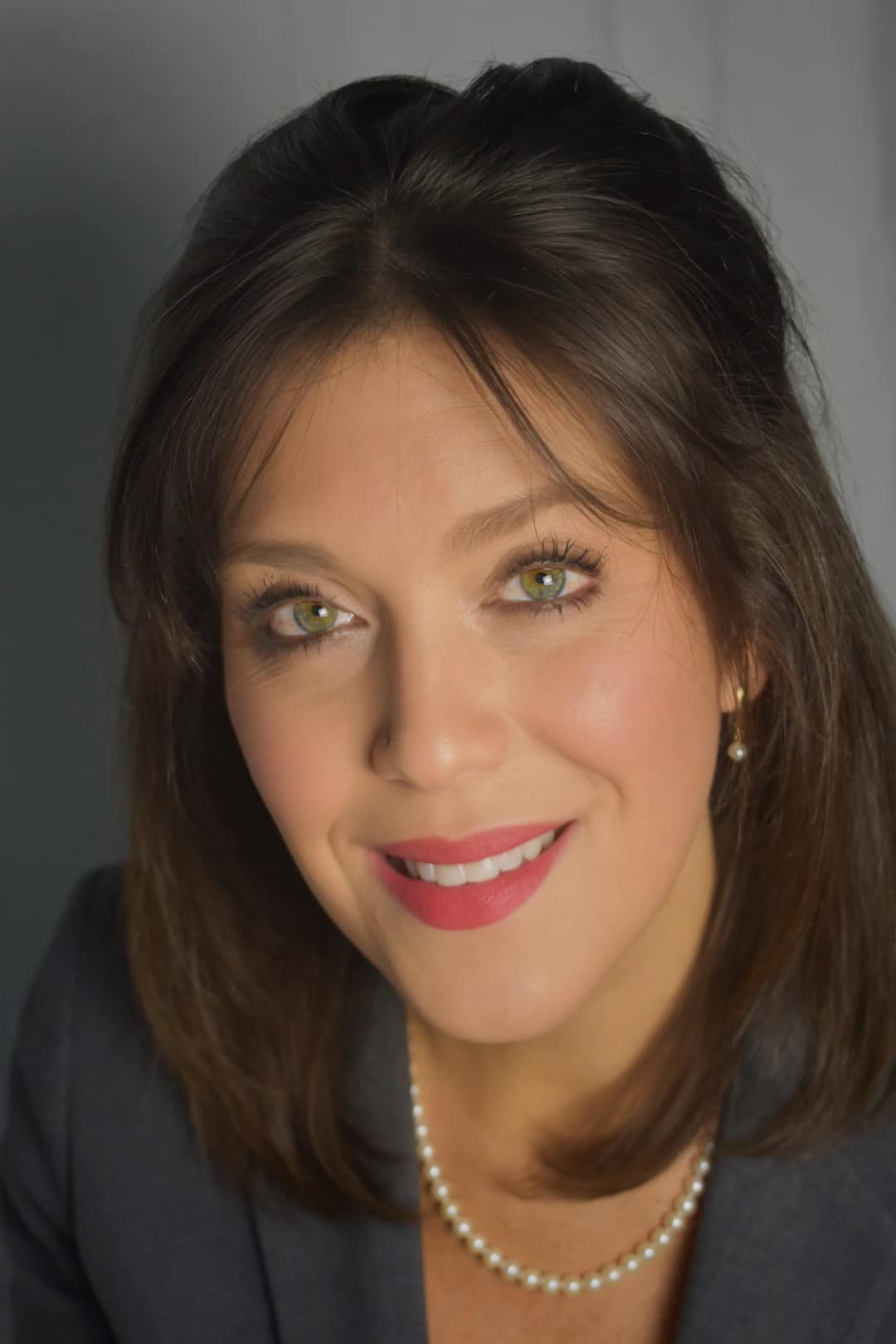
CEO
Beth Blakey serves as Chief Executive Officer of Cancer Hope Network, the nation’s first and longest-running organization dedicated to providing one-on-one peer mentorship for individuals impacted by cancer. In her role, Beth leads the organization’s strategic growth, national partnerships, and program innovation to ensure that patients and caregivers have access to compassionate, personalized support from trained volunteer mentors who have navigated similar cancer experiences.
Beth’s commitment to this work is deeply personal. She became a cancer caregiver to her mother, a two-time cancer survivor, while simultaneously running a business and raising her young children. The experience was both overwhelming and isolating, and it revealed how limited psychosocial support options can be for families navigating cancer. That experience profoundly shaped her belief that no one facing cancer should have to navigate the emotional challenges alone.
Today, Beth is dedicated to expanding access to peer mentorship and strengthening the role of lived-experience support within the broader cancer care ecosystem. Under her leadership, Cancer Hope Network continues to grow its national reach, connecting thousands of patients and caregivers with trained peer mentors who provide understanding, encouragement, and hope during one of life’s most difficult journeys.


