
Moving Beyond Fatigue: Safe Exercise Strategies for Cancer Survivors
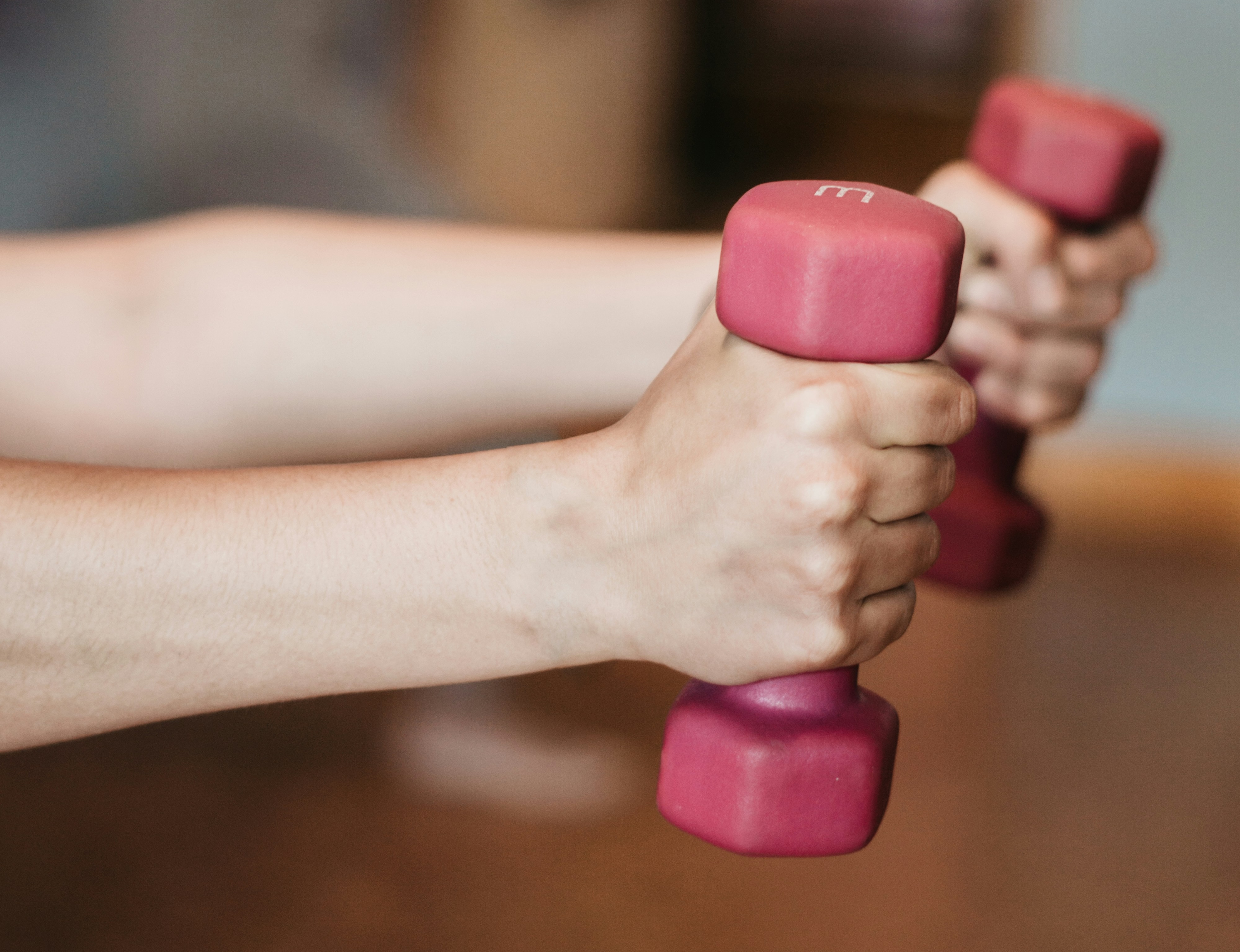
When you step out of active cancer treatment, there is often an unspoken expectation (from others and often from ourselves) that it is time to return to “normal,” jump right back into your old work routine, or resume your previous exercise regimen to rebuild your strength. You may still be in treatment and feel overwhelmed by the idea of exercise. There are days when even the simplest task is a struggle, and now your oncologist told you to exercise?
If you are feeling exhausted, weak, or completely unsure of where to even begin, pause and take a deep breath.
Exercise during or after cancer treatment shouldn’t start with a high-intensity workout or a strict fitness goal. It starts with one small, safe movement that you can comfortably repeat. Even if you have been working out for years, give yourself grace on days you might not meet your PR in the gym.
In Episode 123 of The Cancer Pod, I spoke with JC Rodriguez, a Certified Clinical Exercise Physiologist and personal trainer who specializes in cancer exercise science. You may know him as @oncolofit on Instagram. JC’s approach is rooted in compassion, safety, and practicality: making movement manageable for wherever your body happens to be today.
Here are the key takeaways from our conversation on how cancer exercise science can support your recovery, along with practical ways to build a routine that truly fits your needs.
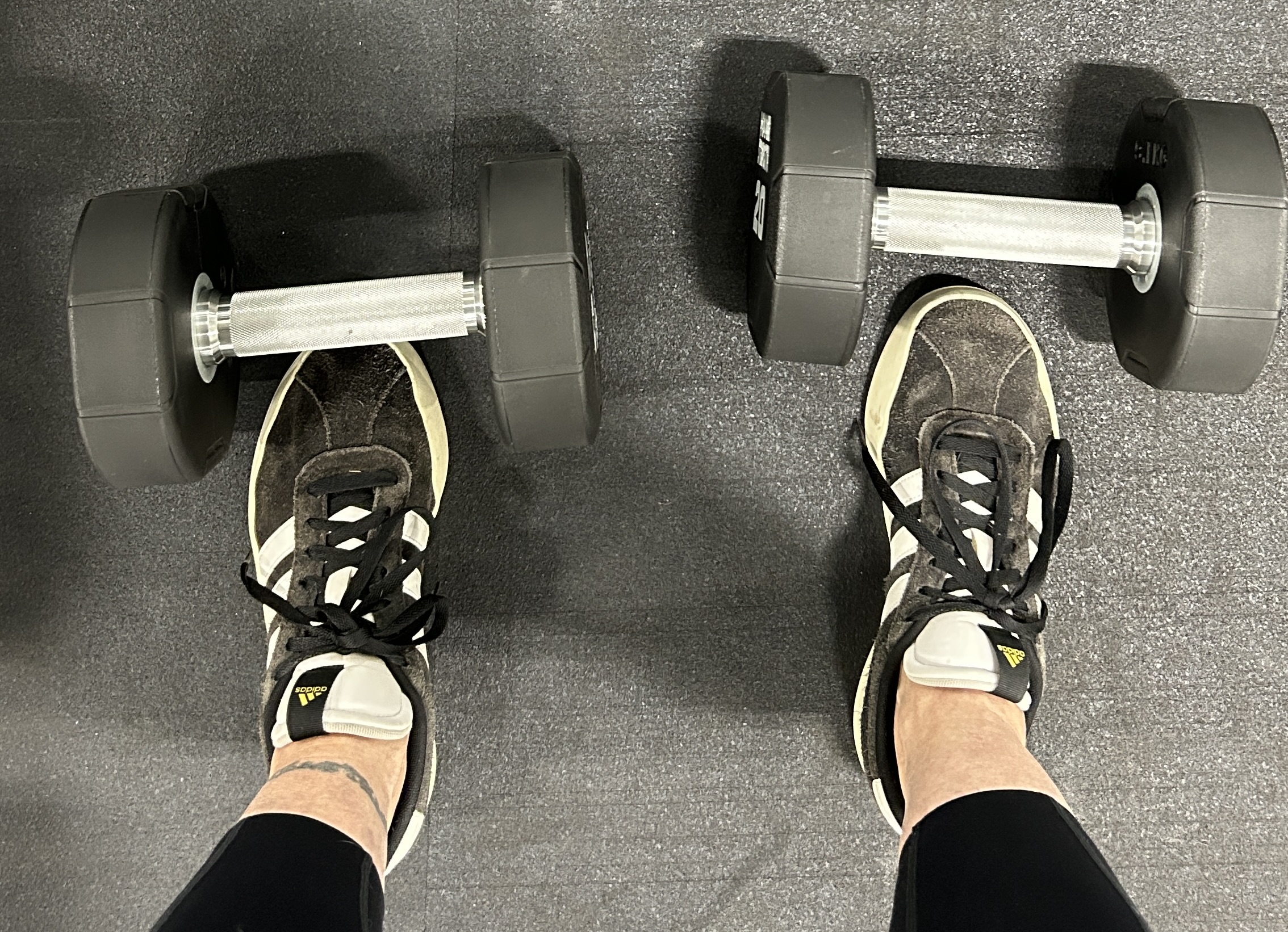
Why Cancer Exercise Science Matters
Cancer exercise science isn’t a generic workout with lower weights. It is a targeted approach that accounts for treatment side effects, surgical recovery, energy fluctuations, blood counts, and specific medical precautions like ports, bone density, or neuropathy.
Think of exercise as supportive care—an adjunct to your conventional medical treatments like chemotherapy, radiation, surgery, or hormone therapy. Research shows that regular, appropriate movement can support heart health, improve blood sugar control, boost mood, enhance mobility, and help manage that unique, deep-seated cancer-related fatigue. IYKYK.
However, because your body has been through a lot, your plan should always be tailored to you—ideally with input from your oncology team, a physical therapist, an oncology rehab specialist, or a certified cancer exercise specialist.
1. When Fatigue is Severe, Start with 5 to 10 Minutes
Cancer-related fatigue isn't ordinary tiredness. It’s the kind of exhaustion that sleep doesn't easily fix, where even getting dressed can feel like running a marathon.
JC recommends starting small—really small.
- Set a 5- to 10-minute starting point. That might mean walking to the mailbox and back, taking a brief lap around your living room, or moving gently on a treadmill at a slow pace.
- Define success by how you feel afterward. A successful session leaves you feeling stable—not wiped out for the rest of the day. Only increase your time after your current routine feels comfortable on a regular basis.
- Match movement to your daily energy pattern. On lower-energy days, gentle bed-based movements—like ankle circles, arm raises, or knee extensions—are more than enough. On days when you have a bit more wind in your sails, a slightly longer walk or light resistance work might feel good.
Note: If your fatigue suddenly worsens or doesn't improve with gentle movement, always check in with your medical team. Fatigue can also stem from anemia, infection, thyroid changes, or medication side effects.
2. Build a Routine That Fits Your Life: Walking, Strength, and Mobility
A well-rounded, long-term movement plan typically blends low-impact cardio, strength training, and mobility work.
- Cardio & Walking: Walking outdoors offers fresh air and a change of scenery, but indoor walking or gentle stationary cycling works just as well—especially if weather, balance, or compromised immunity make outdoor exercise tricky. Use the talk test: you should always be able to comfortably carry on a conversation while moving. (And remember, while 150 minutes of moderate activity a week is a common adult guideline, that’s a distant target, not a baseline requirement when you’re navigating recovery!)
- Gradual Strength Work: Treatment and quiet rest can lead to muscle loss and joint stiffness. Building strength helps with everyday life—climbing stairs, carrying groceries, or standing up from a chair. Start with supported sit-to-stands, wall push-ups, or resistance band rows twice a week.
- Gentle Mobility: Simple stretches and mobility work (like ankle rolls or hip stretches) help reduce stiffness before you walk or move through daily tasks.
Safety reminder: If you have bone metastases, osteoporosis, lymphedema, neuropathy, low platelets, or recent surgery, work with a professional to adapt your moves. Avoid holding your breath during resistance exercises and stop immediately if you feel sharp or unusual pain.
3. Modify, Don’t Abandon: Adjusting for Pain & Side Effects
Pain and stiffness can create a frustrating loop: moving might help relieve joint stiffness, but starting to move hurts!
The trick is modification, not quitting altogether:
- Start small: If you’re on hormone therapy and experiencing joint pain, try just 1 to 2 minutes of gentle joint movement first.
- Adapt the exercise: Swap standing exercises for seated ones (like seated marching). Use a wall instead of the floor for push-ups. Use a chair for supported squats, lower your resistance, or take longer rest breaks.
Listen to your body’s stop signs: While mild muscle awareness is normal, stop and seek prompt medical advice if you experience chest pain, severe shortness of breath, dizziness, fever, sudden swelling, new weakness, or increased bone pain. Keep a close eye on surgical sites and ports for signs of infection or irritation.
4. Navigating Port Care & Treatment Days
Schedule your movement for the times of day you naturally feel most alert, and lower your intensity if you’re dealing with nausea or heavy fatigue post-treatment.
- Skin Care & Radiation: Avoid friction, excess sweating, or heating pads over irradiated skin unless cleared by your care team.
- Port Safety: Having a port doesn’t mean you can’t exercise, but wait until your incision is fully healed. Avoid direct impact or heavy pressure over the port area, and follow your team’s guidelines regarding lifting limits and swimming/bathing.
5. Protect Muscle First, Track Function Second
Weight changes during and after treatment can be unpredictable. Rather than focusing strictly on the scale, shift your focus toward preserving and rebuilding lean muscle mass.
- Fuel & Strengthen: Resistance work, adequate rest, and proper nutrition (including enough protein) help protect your muscle. Talk with an oncology dietitian to make sure your calorie and protein intake matches your recovery needs.
- Track How You Feel: Real progress shows up in functional wins: carrying your laundry basket without taking a break, standing up easily, sleeping better, or having more steady energy throughout the afternoon.
6. Finding Qualified Support
You don’t have to navigate this exercise journey alone. Ask your oncologist or survivorship team about referrals to physical therapy, occupational therapy, or specialized cancer rehabilitation programs.
Look into community offerings like Gilda’s Club, YMCA LIVESTRONG, or local hospital wellness programs. When looking for a trainer or instructor, ask if they hold specialized credentials such as the ACSM Cancer Exercise Specialist (ACSM-ACS) certification, and check if they have specific experience working with treatment side effects like neuropathy, lymphedema, or bone health.
Ready to Take a First Step?
Rebuilding your relationship with movement during or after cancer treatment starts right where you are today.
You don’t need an hour-long routine. Five minutes of gentle walking, simple bed stretches, or a couple of chair sit-to-stands is a wonderful, effective place to start. Pick one small movement you can safely complete today, honor what your body is capable of doing, and give yourself grace along the way.
Be sure to download JC’s FREE Thriving After Cancer Guide. You can also apply to work one-on-one with him online on his website.
🎧 Want to hear more? Listen to the full episode with JC Rodriguez on The Cancer Pod wherever you stream podcasts or watch on YouTube! He gets into the science of why exercise is important for anyone who has been diagnosed with cancer.

The #cancerinsider
Leah’s dream job as a naturopathic physician was to work at an integrative cancer center. She never thought she would also become a patient. She’s the #cancerinsider of The Cancer Pod, offering her insight on the podcast from the perspective of patient and doctor.
Dr. Sherman holds a BFA in Medical Illustration and a minor in Biology/Pre-Med from Virginia Commonwealth University. She has extensive experience working as a graphic designer in New York City, Santa Fe, New Mexico, and Richmond, Virginia, and changed her career path to naturopathic medicine to pursue her interests in nutrition and herbal medicine. In 2007, she graduated from the National College of Natural Medicine (now the National University of Natural Medicine), then completed two years of a naturopathic family medicine residency at the clinics affiliated with the college. She was accepted to a two-year naturopathic oncology residency at the Goshen Center for Cancer Care in Goshen, Indiana. She has a decade of experience working as a naturopathic doctor on multidisciplinary teams in cancer centers; she worked at Cancer Treatment Centers of America in Arizona (now City of Hope Phoenix) and later returned to the Goshen Center for Cancer Care to work on staff of their integrative care team.
Dr. Sherman is an inactive member of the Oncology Association of Naturopathic Physicians. In 2018, she completed IFM Certified Practitioner training through The Institute for Functional Medicine. Most recently, she worked as an adjunct professor at the University of Western States where she taught Clinical… Read More

How to Recover From Any Surgery Smoothly