Alcohol and Cancer

The Hidden Risks of Alcohol
For many people, having a drink now and then is part of social life. We get that, sometimes you weigh the risk and the benefit, and you take the risk. That's the privilege of having choice!
Alcohol can help people relax or feel more social. This effect is from a neurotransmitter called serotonin in the brain. When alcohol enters the brain, it causes the release of serotonin, and that lights up pleasure and relaxation centers in the brain.
BUT, if the alcohol consumption is too much at once or too frequent in general, your body never gets a chance to make enough serotonin to replenish. The result is low serotonin in the brain, and low serotonin means depression. This is why alcohol is technically considered a depressant. It's not hard to remember this when you realize that overconsumption can lead to a stupor.
Heavy drinking and alcohol use disorder are clearly linked to serious health problems. These include liver disease, heart disease, and cancer.
Alcohol and Cancer Risk
Alcohol is officially classified as a carcinogen, meaning it can cause cancer. In the U.S., about 20,000 cancer deaths each year are linked to alcohol use. Yet fewer than half of Americans know that drinking alcohol increases cancer risk.
Even though scientists are still studying exactly how alcohol causes cancer, there is no debate that it does.
Alcohol raises the risk of cancers of the:
- Mouth
- Throat (pharynx)
- Voice box (larynx)
- Esophagus
- Colon and rectum
- Liver
- Breast (in women)
Heavy drinking is also linked to higher risk of stomach and pancreatic cancers.
Overall, drinking too much alcohol is the third leading preventable cause of cancer (after smoking and obesity).
If Alcohol is Natural, How Can it Be Harmful?
Alcohol is made through fermentation, a natural process where yeast consume sugars and metabolize them into alcohol. Grapes + yeast = wine. Honey + yeast = mead. Some cultures around the world have been consumoing alcohol for thousands of years. So how can something so natural be so harmful?
Why Alcohol Causes Cancer
Alcohol increases cancer risk in several ways:
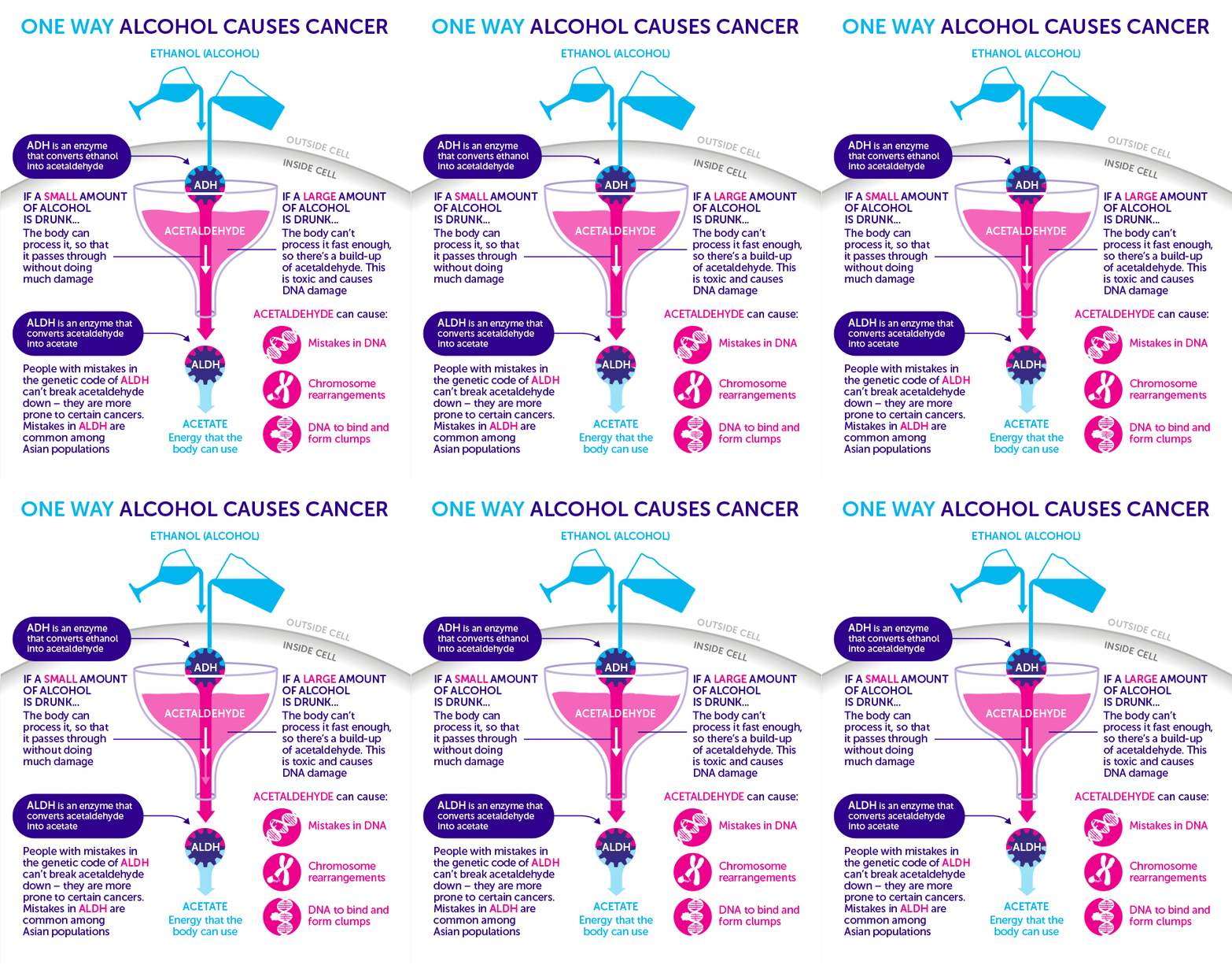
- Acetaldehyde Production: When your body breaks down alcohol, it creates a toxic chemical called acetaldehyde. Acetaldehyde can damage DNA and interfere with DNA repair, which can lead to cancer.
Your body uses an enzyme called ALDH to turn acetaldehyde into a safer substance. But when you drink a lot, this system gets overwhelmed. More drinking = more acetaldehyde = higher cancer risk. - Oxidative Stress: Alcohol increases oxidative stress, which damages cells, proteins, and DNA. This kind of damage is linked to many cancers.
- Hormone Changes: Alcohol can raise levels of estrogen and testosterone. Higher estrogen levels increase the risk of hormone-related cancers, especially breast cancer.
- Gut Microbiome Disruption: Alcohol can harm healthy gut bacteria. This imbalance can increase inflammation in the body, which may raise cancer risk.
- Vitamin Deficiencies: Heavy drinking often leads to low levels of folate, a vitamin needed for healthy DNA repair. Folate deficiency is common in heavy drinkers and is linked to higher cancer risk.
Why Doesn't Everyone Who Drinks Get Cancer?
This is sometimes called the “George Burns effect.” George Burns lived past 100 years old despite smoking cigars and drinking alcohol. Stories like this can make alcohol seem harmless—but they don’t tell the whole story.
We are all biologically different. Our risk depends on genetics, ancestry, and how our bodies handle toxins.
For example:
- Some people lack the gene needed to make enough ALDH, the enzyme that clears acetaldehyde. This is more common in people of Asian descent.
- Others have trouble using folate due to a common genetic variation called MTHFR, which makes alcohol-related folate loss even more harmful.
Cancer risk is never about just one factor. It’s a mix of exposure, genetics, and long-term habits. That’s why one person may develop cancer and another may not—even with similar drinking patterns.
Debunking Myths: Is Red Wine Good for You?
You may have heard that red wine is “healthy” because it contains resveratrol, an antioxidant found in grape skins. While resveratrol does have some benefits, the amount in red wine is very small.
More importantly, the alcohol itself cancels out any possible benefit when it comes to cancer risk. Scientific evidence does not support the idea that red wine—or any alcohol—protects against cancer or heart disease.
Is Sensible Consumption a Thing?
If adults choose to drink, current guidelines suggest:
- Women: no more than one drink per day
- Men: no more than two drinks per day
Even so, there is no completely safe level of alcohol when it comes to cancer. Less alcohol means lower risk. For cancer prevention, limiting or avoiding alcohol is the safest choice.
Former U.S. Surgeon General Dr. Vivek Murthy even called for warning labels on alcohol to better inform the public about these risks.

Making Safer Choices:
If you do choose to drink, here are ways to reduce harm:
- Drink less: Stick to low-risk limits.
- Know serving sizes:
- 5 oz wine
- 12 oz beer
- 1.5 oz spirits
- Try non-alcoholic options: Mocktails and alcohol-free drinks can still feel festive. Options like HOP WTR offer bubbles without alcohol, and contain adaptogens and nootropics like L-theanine and ashwagandha to help you relax without feeling altered.
- Explore zero-proof shops: Online retailers like The Zero Proof carry many non-alcoholic choices and often run specials for occasions like Dry January or Friendsgiving.
- Consider kombucha: This fermented tea can give a fizzy, satisfying experience with little to no alcohol.
Alcohol plays a big role in many cultures, but it also clearly increases cancer risk. Knowing the facts helps you make informed choices about your health.
By understanding the risks and choosing moderation—or skipping alcohol altogether—you can take meaningful steps to lower your cancer risk and support long-term health.
Disclosure: This post may contain affiliate links. If you make a purchase through these links, we may earn a commission at no extra cost to you.

The Science-y One
Tina has always been “the sciency one.” From electricity to fermentation to pond scum, by eight years old, she was playing with all of it. She’s been an ND focused on oncology since graduating in 2000. The Cancer Pod is her outlet to teach, engage, and help a limitless number of people.
Dr. Tina Kaczor, ND, FABNO, is a distinguished Naturopathic Doctor and Fellow of the American Board of Naturopathic Oncology (FABNO). With over two decades of experience, Dr. Kaczor is renowned for her expertise in integrative cancer care, naturopathic medicine, and holistic wellness.
Dr. Kaczor holds dual degrees in English (BA) and Biochemistry (BS) from the University at Buffalo (class of ’94). After graduating from the National College of Natural Medicine in 2000, she did her residency training in integrative medicine at Cancer Treatment Centers of America (CTCA). In 2003, she co-founded The Clinic of Natural Medicine in Eugene, Oregon, where she served patients until its sale in 2016.
In addition to the podcast, Dr. Kaczor is a respected author, educator, and speaker in the field of naturopathic medicine. She has contributed to numerous publications, including textbooks, research journals, and popular health magazines, and regularly presents at conferences for professionals and the public. She is the Editor-in-chief of The Natural Medicine Journal, where she has overseen content since 2009.
Dr. Kaczor is dedicated to advancing the field of integrative oncology and promoting collaboration between conventional and complementary healthcare providers. …Read More
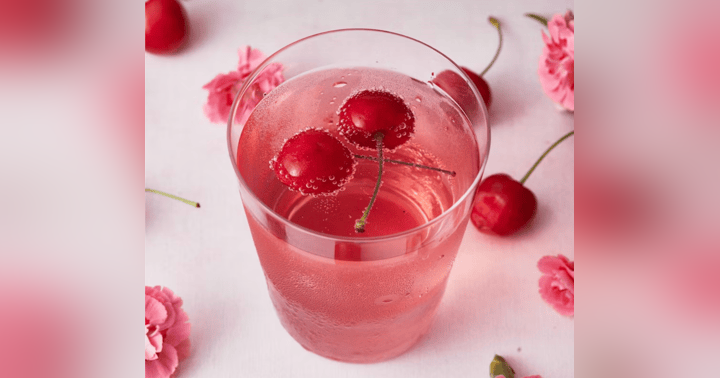
The Cherry Bomb: a Mocktail for Dry January