Curcumin: Supplements 101


Curcumin is what makes turmeric orange. It is also a very popular supplement. What does it do exactly? How should it be taken? How is it used in integrative oncology? Can you take it with chemo? Tina & Leah answer these questions and much more in this episode of The Cancer Pod.
Want to support the show? Just buy us a coffee!
Buymeacoffee and THANK YOU!
Links we mentioned on this episode and other cool stuff:
A review of the health benefits of Curcumin Foods
Turmeric in cancer care Memorial-Sloan Kettering Cancer Center
A list of Dr. Aggarwal articles that have been retracted PubMed
Scientific papers peer reviewed, open access onlind PubPeer
Curcumin- summary by the National Cancer Institute NCI
What’s the difference between a root & a rhizome? Herb Pharm
Topical henna and turmeric study Daru J of Pharm Sciences
Topical turmeric for mouth sores from cancer treatment Phytother Review
CURCUMIN- A Chemical and Technical Assessment (CTA)
Lead found in Curcumin supplements Public Health Reports
Potential of Curcumin in CLL Hematology & Oncology
High dose Curcumin for Monoclonal gammopathy (myeloma)
Tell us your thoughts on this episode!
Become a member of The Cancer Pod Community! Gain access to live Q&As, exclusive content, and so much more! Join us today!
Check out our website! Looking for more information? We have blogs, merch, and all of our episodes listed by season and category.
Shop our favorite reads! We've joined with Bookshop.org to offer some of our fave books!
Have a comment or suggestion? Email us at thecancerpod@gmail.com
Follow us wherever you browse. We're always @TheCancerPod:
THANK YOU!!
Become a premium member.
Join the #cancerinsiders. Membership includes:
-
A monthly (or so) newsletter packed with links to new episodes, compelling research, seasonal recipes, and practical health tips you’ll actually use
-
Behind-the-scenes updates
-
Bonus content from the podcast
-
Yoga videos to support your body and mind
-
Downloadable cheat sheets for quick reference
Join today!
01:02 - Introduction
01:57 - Turmeric vs. Curcumin
04:03 - Turmeric & Ginger are related..
05:24 - Leah's Cautionary Tale (Don't do this!)
06:15 - Turmeric use in India
07:18 - Spices in the Kitchen
08:28 - Dried vs. Fresh Turmeric
08:55 - Anti-inflammatory effect of Turmeric/Curcumin
10:05 - Curcuminoids = Curcumin
11:19 - Curcumin works best when...
14:01 - Fake data on Curcumin?
16:14 - How to spot fake medical papers
23:39 - Curcumin in Depression
25:43 - How Curcumin is used in Integrative Oncology
28:45 - Curcumin phytosome (Meriva)
29:34 - Other "high absorption" curcumins
32:00 - Lead in Curcumin?!
33:55 - Topical applications of Turmeric
35:19 - Cautions & Contraindications
37:58 - Caution kidney stone formers
39:57 - Other cancers where Tina recommends high dose curcumin
40:55 - Ginger synergizes/harmonizes
41:43 - Winding down...
Welcome to episode 40 of the cancer. In this episode, we're talking about curcumin. What is it? How is it different from turmeric? How is it used in integrative oncology? Is it safe for anyone to take, stay tuned for answers to these questions and more.
TinaI'm Dr Tina Kaczor and as Leah likes to say I'm the science-y one
Leahand I'm Dr Leah Sherman and on the cancer inside
TinaAnd we're two naturopathic doctors who practice integrative cancer care
LeahBut we're not your doctors
TinaThis is for education entertainment and informational purposes only
Leahdo not apply any of this information without first speaking to your doctor
TinaThe views and opinions expressed on this podcast by the hosts and their guests are solely their own
LeahWelcome to the cancer pod
Introduction
LeahHello, Tina.
TinaHi, Leah. How goes is it? Oh, it's not
Leahbad. I'm kinda, I'm gonna get a little, a little faded here. You know, we're, we're pulling a double today.
TinaYes, we are pulling a double, double recording, but you know, this is an exciting topic. I have a feeling you're gonna, you know, rise to the occasion. I don't know,
Leahit's a lot like, uh, mushrooms, you know, there's just there's information out there. There's some studies out there. There's how it's used. Traditionally. I don't know. It's a food, you know, it's like mushrooms, cuz it's a food that has been turned into a supplement and marketed. So
TinaI don't know. Yeah. There is a ton of information on curcumin, the supplement mm-hmm. But not a ton in humans with outcome data that follows people over five, 10, you know, years, that kind of thing. We need more and more of that. There's a lot in additional, a lot in rodents and we are not rodents ALA. We are not rodents.
LeahNo.
Turmeric vs. Curcumin
LeahUm, and then I'll probably use cur uh, curcumin and turmeric interchangeably, and they're not. The same
Tinathing. You're not gonna use them interchangeably cuz you know the difference.
LeahI know, but it's just so much easier for me to say turmeric
Tinaturmeric is the root let's tell everybody it's
Leahthe spice. Yes. Turmeric is the spice. It is the root. That is that brilliant orange color and curcumin is. One of the active components that is encapsulated and marketed. Yes. That's not always in a capsule. Sometimes it's a powder liquid, whatever, but yeah, that's the thing that people market and sell is the curcumin. You can also get turmeric tablets. I've seen those
Tinatwo, so, and I'm gonna go through two technicalities and that is technically, it's a rise zone, not a root. Okay. Which a arise zone is basically a stem that's underground just saying, you know, I don't, I don't want to mislead. Okay,
Leahfine. I know. Well, it's, you know, it's been a long day. And my vocabulary decreases as I become more fatigued. So root is easier than rhizome for me to say. And turmeric is easier than curcumin. Yes, for
Tinamy sleepy brain. Curcumin is what makes it that brilliant yellow, orange color and curcumin in the turmeric rhizome makes up about. 5% of the actual components in that rise zone give or take, you know, 4%, 6% somewhere in there, but generally speaking it's about 5% give or take. Usually when people buy curcumin in a capsule or a powder, you'll see, it says 95% curcumin.
LeahRight. And it's more standardized if you use the spice in your cooking, you know, you're not getting as high of a dose. You're not necessarily getting. A standardized dose because it's
Tinanatural. Right. And you are also getting a lot of other compounds, right? So it's only 5% curcumin. So 95% of it is other things, whether that's fiber or terpenes in there, there's the oil of the root there's other components to have similar effects in that they're anti-inflammatory. Antioxidant.
Turmeric & Ginger are related..
TinaWhat's
Leahfun about the turmeric rhizome. That's very hard for me to say the turmeric rhizome is. It is often sold next to ginger mm-hmm and
Tinathey look very similar and they're in the same family. They're both in the ginger family. I know. That is really cool. Yeah. And you know, it's kind of interesting because we use ginger as an anti-inflammatory too. So if you are, you know, pulling out a neutral bullet or a Vita mixer, and you're putting in some whole foods in there and you use a. Snip of ginger or a snip of turmeric, you're gonna get a similar effect in that it's anti-inflammatory action. Yeah. I used to get,
Leahum, these fresh vegetable juices made at the cancer center when they had their juicer and yeah, I'd have them throw in a little portion of turmeric rise zone mm-hmm and yeah, it's, it's spicy. It's hot. It's a lot hotter than the, um, than the
Tinapowder. Ginger seems like a hotter route to me though. Like on my pallet, I feel like ginger. Got more heat to it than Turmo I
Leahthink, I think it depends cuz I mean, sometimes I've had it where it's not that spicy. I wonder if it's like, like when you grow chili peppers, if you deprive them of water mm-hmm they actually become hotter. So I'm wondering if it's similar with, with that whole ginger family. I don't know why sometimes it's hotter than
Tinaothers. Someone out there must know the answer to that question.
LeahOh yeah. There's gotta be a botanist out there somewhere. Yeah. Um,
Leah's Cautionary Tale (Don't do this!)
LeahI have a, I have a turmeric rhizome story. All right. It's kind of a, don't do this. It's this is a total do not do this. So I was using a neti pot daily for really bad sinus infections. And I bought some, a little piece of turmeric and came up with this brilliant idea that I would make a tea from that and use that in my neti pot. Yeah, that was stupid. Well, cuz I was like really. Trying to decrease inflammation. Yeah. That's the stupidest thing. Do not do
Tinathat. All right. Well, thank you for trying it and getting that outta the way for anyone who was thinking about it.
LeahYeah, no, totally. It burns. It burns
Tinareal bad. Took it for the team. Appreciate that took one for the team. Yes.
LeahSo do, as I say, not as I
Tinado and especially in this scenario. Yeah.
Turmeric use in India
LeahBut you know, turmeric, it is used a lot in ive medicine, which is the traditional medicine of, of India and it's used in food and it's also used. More medicinally, you know, in tease and stuff like that. So it's just been around forever. Yeah.
TinaAnd I know there was a lot of talk for many years about the fact that there's a lot less colon cancer in India than there is in the United States, for example, or even in Europe, um, or in Australia, or, I mean, name it around the world. India apparently has very low rates of colorectal cancer. And I know turmeric was touted as one of the main reasons. But I've had food prepared by enough people who are from India to know that, you know, this is one of 30 spices in any given dish.
LeahOh, absolutely. I mean, yeah, there are so many antioxidant rich spices that are in Indian cooking that I don't know how you could specifically say. It's the turmeric, because turmeric is never used on its own.
TinaMm-hmm no, no. And it's, it's, you know, and a lot of
Spices in the Kitchen
Tinathe spices and this, you know, we should mention this in the kitchen. When you use high quality spices, it doesn't matter what it is. It could be Leafs like basil and parsley. It could be spices like clove, uh, fennel. The higher, the quality you use, the better medicinal value you're gonna get from it. So often the component in kitchen spices and kitchen herbs is the essential oil that they have. And so if they're fairly, they can be dry, but if they're fairly high quality and fairly fresh, I mean, don't use those fennel seeds from, you know, 1998 in the back of your cabinet, kind of. The closer they are to being a really high quality fragrant spice or herb, the more anti-inflammatory effect you're gonna get from it, because most of the time it's in the essential oil of the plant, which you're smelling, which is gives those plants, their characteristic smells.
LeahYeah. I think that's a really good point that, you know, people tend to think that, certain things in the refrigerator they're gonna expire, you know, like makeup and beauty products, those expire spices expire. you're gonna lose flavor as well as antioxidant antimicrobial, all
Tinathe really good properties. Mm-hmm.
Dried vs. Fresh Turmeric
TinaAnd fresh is great when you can get it, you know, when it's in season or you see it at the store. That's great. I mean, a lot of stuff you can use dried and still get benefit though. So just, you know, fresh is always best in our world, but it's not always feasible and it's a different
Leahflavor of profile. So at least with, with turmeric, um, and ginger, you will get a lot more heat using. Fresh versus dry. So it's just kind of like what's your personal preferences is too mm-hmm
Tinathat's a good point.
LeahSo
Anti-inflammatory effect of Turmeric/Curcumin
LeahI think a lot of people know of it as anti-inflammatory. There are a lot of patients going through treatment with cancer who ask about curcumin turmeric again. Those terms are used interchangeably, even though they are very different things. There are studies showing benefit in patients with Alzheimer's I think, yeah, pain and anti-inflammation is kind of the big thing.
TinaYeah, I think, yeah, that's true. I think that the claim to fame is mostly the anti-inflammatory effect, which can be useful for pain. I wanna get one other technicality out of the way. I don't mean to complicate things. It's not my, I, I don't mean to complicate things, but I like to be thorough. Curcumin is not just one compound. I
Leahknow there are multiple, there are multiple
Tinacurcuminoids. Yes. There's three curcuminoids that occur in the turmeric root just for, you know, just,
Leahoh, you said root rhizome.
TinaYes. It's true. In the RSO. I know we do say root even though technically it's right, because it's easier. Yeah. It's easier. But you know, I also know that we get feedback and I don't want people to say, you know, you guys dunno what the hell you're talking about. Calling it a. So, um,
Curcuminoids = Curcumin
Tinaalright, so it's got three different curcuminoids in it and they all are called curcumin. So I'm just gonna leave it there. But technically it's three chemical compounds that make up curcumin again, just getting the technicalities out of the way it's meaningless for the end user. I just wanna make sure that people realize that we aren't completely just, you know, reading something online and reporting it on our podcast, that this is something that we've studied for 20 years or so.
LeahSo what, when somebody buys a curcumin supplement are all three curcuminoids in there, or is it one specific curcuminoid that is used over another
Tinathere's one that's used most, um, the D myth Oxy curcumin form is the one that's most commonly synonymous with curcumin really high quality products will report on the label. Exactly. What they are, you know, how much of each they have in there and they keep it standardized. but that's rare. I haven't seen that a lot. It's been in a few, supplements. I think C3 complex is one of them, but they're interchangeable as far as their physiological effect. Okay. So all that said, just forget everything I said and know that curcumin is all you need to see on the label.
Leahmy,
Curcumin works best when...
Leahum, I do wanna say. That people will take curcumin supplements as anti-inflammatory people have taken it, you know, patients that I've seen have taken it to, Prevent all sorts of things, including cancer. I am not a fan of someone taking it without them also making diet and lifestyle modifications. Mm-hmm because otherwise, why aren't you just taking a prescription medication? So you're
Tinasaying without the foundational measures, like eating well and sleeping well and hydrating, all that kind of stuff, you would never give any kind of supplement with Cucu. In lieu of that, you would only do it on top of that.
LeahYes. I'm thinking, I mean, because there probably are CA are times when I have done it. you know, there are certain combination products I think of like BCQ or something. and I'm not waiting for somebody to make all of their diet lifestyle changes, but I want them to be doing that as well, because otherwise. Why not just take an NSAID, you know, it's, you're taking it as that nutraceutical. You're taking it as that green medicine. I want people to explore their diet in terms of modifying it to reduce inflammation. If they're gonna also be taking a curriculum
Tinasupplement. Sure. So kind of something you take. While you're making changes. That might be more long lasting. Yes. So, yeah, that's a good point. Cuz I think of systemic inflammation and one of the known causes of systemic inflammation and that means just a low level of inflammation throughout the body and inflammatory state is being overweight. And so. While you get yourself and it might take many years to get yourself in a state of, between your muscle mass and your fat mass. That's more, uh, healthy composition while you're doing that and getting there. That would be a time when anti-inflammatories might be taken to dampen the systemic inflammation while you. Make the longer term change over time, right? Like if
Leahsomebody is not able to exercise because of, chronic joint pain or whatever's going on, that is due to an inflammatory state, then a product with curcumin in it would be helpful. But I also want to know that they are including more. Plants in their diet and decreasing some of the inflammatory, processed foods.
TinaMm-hmm and I want, I wanna mention, cuz you mentioned B CQ quickly and that's our little acronym for a product that has, uh, boswellia sometimes Brolin as well, curcumin and Cottin together. Right. So I just wanna put that out there just so people know what BCQ was, right. It's a popular anti-inflammatory. Combination, right. I keep saying, right.
LeahI'm telling you my vocabulary that's cuz
TinaI am right. I
Leahknow, but my vocabulary is really becoming limited, so let's keep going.
Fake data on Curcumin?
Leahso there is a lot of research with using curcumin. and a lot of that research is controversial.
TinaWhat's happening in a lot of science and we're going back and looking at specifically image manipulation that's happened in many reaches of science, not just medicine science. And it's a, it's a big problem out there. So, uh, curcumin is no exception. Yeah. So
Leahthere was a specific researcher at. MD Anderson
Tinamm-hmm two researchers at MD Anderson.
LeahOh, there were two researchers at MD Anderson who fudged data mm-hmm And so a lot of those studies were retracted. Um, but then you still find people quoting
Tinathese researchers. It's unfortunate because you know, one of 'em was Barat AER wall and there were 65 publications. In question. I don't know, a couple dozen got retracted. Couple dozen went under corrections. I don't know. There was a lot of duplicate images, clearly fudged. What happens is sometimes it's an honest mistake and sometimes it's fraud. So I don't know what it is in his case. Um, but there are large labs. And what happens is the people sitting at the bench doing the actual experimentation work sometimes will fudge stuff. And the head of the lab may or may not know about. So there are cases, and I know of some where even people who were granted high prizes in science, in medicine, we found out their data was fraudulent. And this isn't to calling to question all of science. It's just to say, there has been an interim here of about, I would say 10 to 15 years where there's been so much pressure to publish and so little policing of the actual data. We've kind of hit a peak of this. I think, I think it's gonna get better and better because what they're using now is artificial intelligence to scan the information at many journals now, to make sure there is no duplication of data. There's no cutting and pasting. There's no manipulation in the images. And I think that everyone's more aware of it now, too. So this all started back in gosh, 2012 with Barat auger wall. Um, so that's 10 years ago. And if anything. It's improving now, finally, because of so many scientists speaking up and so many retractions having to happen in the last 10 years.
How to spot fake medical papers
LeahAnd don't you have like a widget on your computer that. Alerts you, if something has been flagged.
TinaYeah. There is a, an extension you can put on your Chrome browser and I'm sure other browsers as well called pub pier and pub pier is basically after something gets published. If anyone out there has suspicion about a publication and says, wait a second, you know, figure a looks all like figure B or column two looks like column one, or your stats don't make any sense. It's a public forum where scientists can go. Address the authors and say, this doesn't add up what happened or it sure looks like your two images are alike or whatever, and it's completely public facing and the authors have a chance there to answer. Um, so you can send it to the actual publication. Like if it's in the journal cell or science or nature or whatever people academics, people can send in their letter and say, this doesn't make sense. The problem was. No journal really wants to turn around and retract paper. So it doesn't look good for them. So pub, peer Pub peer, peer pub peer pub, pub, peer
Leahpeer pub, peer pub. Sounds like a bar that you hang out with with your buddies. Yeah. It's or it's a pub on a peer. You go
Tinafishing. It's spelled P E E R. I know. I know. Okay. So in any case, this is a public forum. On the extension on my browser will, if I am looking at a paper online on Chrome, there is a bar that comes across the top and says, there's comments on this paper so I can click over and see what the criticism has been. And if it's damning, then I know that that paper is not a good paper. Sometimes it's the. You know, it's some trivial piece, but sometimes it's, it's a pretty damning piece. Like there was one on a ketogenic diet review and they went down the citations and said, this citation, doesn't say what you said. It said, this citation is completely, has nothing to do with your topic. You know, it's kinda really ripped it to shreds. And, uh, it was, it was useful for me, cuz that means that paper's not good.
LeahYeah, no, I need to put that extension, but yeah, I just, I just did the Google and it's pub pure all one word
Tinapub, peer, not where you get a Guinness.
LeahWait, is that really what it is? Hold on. Let me look again. How did I just forget from what I was looking at? Pure pub, hold on. Maybe it is pure pub.
TinaSee, it's hard. The more you say it, the less clear it is. No it's pub peer
Leahit's
Tinapub here. oh my gosh. Publication, peer review. Oh my goodness. Okay, so I'm
Leahgonna download that extension, cuz that sounds. awesome. People snitching mm-hmm but in a good, for a good cause. Exactly. Okay. So, so, um, let's take a break and we're gonna come back and we're gonna talk about how curcumin and termer is used, in integrative oncology, you know, maybe where some of the research is at, and, you know, maybe we'll go into a little bit more difference between cur Cuman and turmeric. All
Tinaright. See on the other.
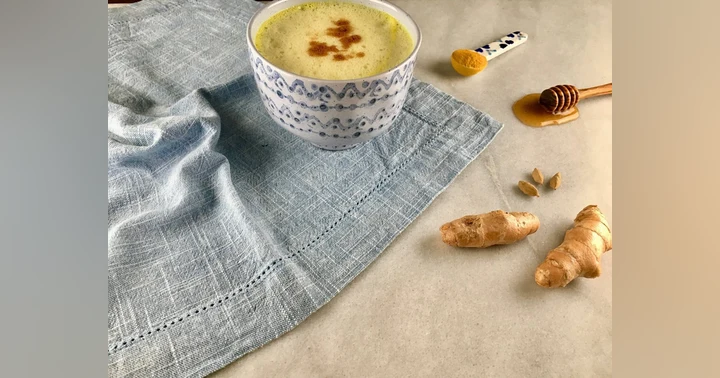
Golden Milk
TinaSo my
Leahfavorite way of recommending a turmeric type of a product is by recommending golden milk.
TinaOoh, yummy.
LeahAnd what's interesting is I recommended golden milk years before I ever tried it myself.
TinaOh, this is a traditional use of turmeric in India, right? It's
Leahturmeric T is kind of what, it's more, you know, known as golden milk. I don't know if that's really a. Traditional name for it. I think it's in my mind, it's like an Instagram name, but maybe it is, but it is using spices. It's turmeric cinnamon, ginger, some sort of milk. I use alternative milk. You don't have to use dairy, but you can. Um, if you tolerate it and a little bit of black pepper and some honey to sweeten
Tinanow, do you extract those plants in the milk, on the stove top? Or do you make the tea and then add the milk?
LeahSo I. Put it all together on the stove top. So I'll use my oat or almond milk. I like oat better. It's creamy. I think if you heat up almond milk too much, it gets, I don't know, taste. It gets a little funky taste to me. So I like either coconut milk or oat milk. Mm-hmm and I'll put in. The spoonfuls, the measurements, there's a certain proportion that you can use and then Whis, or if you have like a little hand blender, like one of those
Tinalittle tiny foaming mm-hmm Swan
Leahthings. You can use that too, and take it off the heat. I have the honey on the bottom of the mug, pour in the heated up beverage, stir it, pillow, ground pepper on top. I probably should put the ground pepper in with the milk, but I don't. Hmm. Probably makes more sense now that I'm thinking about it all these years later, but yeah. And some people make like a paste, a golden paste. I think that's a
Tinalot of work. Oh. So they, they can just scoop it out and use it later. You mean? Yeah.
LeahAnd you could buy products like that too. Mm-hmm um, they do sell, they often the ether on the Google, on the Google search, you can find golden paste, but I. Always thought that would be a great way to get turmeric into somebody's diet for someone who may not use it in their, in their cooking. Mm-hmm um, I recently recommended it to someone and they said that it smells like snicker doodles. So for anyone who is reluctant to trying it, it smells like a snicker doodle. All
Tinaright. Well that is more enticing.
LeahTotally. But it is surprisingly delicious. Um, and anti-inflammatory, it's great for somebody at night to kind of calm down, relax with your mug of your turmeric tea. Mm-hmm can help with sleep. All those kinds of things. It's kind of a comforting. Thing to drink
Tinaat night. Yeah. And you know, I think extracting it into the milk, assuming the milk has a little bit of fat in it, whether it's almond milk, oat milk, like you said, or regular dairy or whatever people prefer. I think the extraction into the milk is key. I think that's part of what makes it draw out. And bring into the solution. Some of the components that are anti-inflammatory kinda like chit chit is similar. That way
LeahI can put a recipe, I could put a link in the show notes for gold milk, an easy one. Oh yeah, let's do that. So that's, that's kind of like my way of introducing it to somebody, especially if someone isn't interested in taking supplements, they don't wanna take more pills. You know, my experience from having gone through treatment, starting off with like a bazillion pills and then. ending up being like, I don't really wanna see capsules pills of any form. Yeah. It's an easy way to incorporate that sort of anti-inflammatory effect. Is it the same as taking curcumin? Probably not. No, probably not. But I do wanna add having that fat, a little bit of fat, a little bit of black pepper that actually helps with the absorption of turmeric mm-hmm which we've probably discussed. I'm sure at some point in a previous episode, but that, that is very important. And then there are all those, like, there was a period of time when studies came out and said, oh, you know what? You actually don't need to absorb the turmeric in order for it to be beneficial. But it actually has some effect just on the lining of the digestive tract. So I'll try to find those studies and, and
Tinasee what's up. I think that's kind of a fascinating area that is a big blank right now is like how plants affect our gut and our microbiome in there and how. Ultimately leads to some of the net effects that we expect from the plant, whether it's anti-inflammatory in this case, or, you know, anti-anxiety in another plant or whatever, like how we're affecting our bacterial culture in there and how that's creating the medicinal effect. But to what extent and how, and exactly what components and which bacteria I think is all
Leahto be determined.
Curcumin in Depression
LeahYeah. And especially because I know Kirk Cuman has been looked at in depression, mm-hmm that the gut microbiome gut health is so important when it comes to, you know, people who are dealing with depression. So
Tinayeah, that's a whole nother topic, the whole like gut brain access and how direct that access is the vagus nerve shooting up directly to the brain and having effects very quickly. Depending what's going on in your gut. And we'll talk about that at another episode, I suppose, but yeah,
Leahlike serotonin, you know, and like serotonin and microbiome, all of
Tinathat stuff. Yeah. And I think it's important for people to realize that inflammation inherently can cause a more depressive state and it's not just the pain. Yes. Pain can change your mood, certainly, but there are certain things going on with interleukins in your brain that affect your neurotransmitters, that set you up for a more depressive state. Uh, probably the most. Dramatic example of this and cancer care that I can think of is back in the day, when we used to use interleukins, intravenously to treat, say melanoma or. Kidney cancers. And when they're given a side effect of giving those interleukins, which your body normally can make when you're in a state of inflammation, um, can cause massive depression. So I like to tell people that, because I think that sometimes there's so much going on and there's certainly a lot of stress and there's a lot of psychology obviously to the diagnosis and the treatment and everything that's going on. And some of it is biological. I mean, you're getting a layer of biology thrown in here during, especially. Your body is in a state of inflammation during treatment that you haven't probably seen before. So back to your depression, I think that the curcumin lowering some inflammation can be helpful, not just for pain as an anti-inflammatory, but maybe mood stabilizing for some people where that's an
Leahissue. And like at, you know, at what level is it working? Is it reducing the inflammation? Is it affecting the microbiome? Or is the answer. Yes. You know, so, um, oh my God. My brain is faring.
How Curcumin is used in Integrative Oncology
LeahOkay. So let's talk about how curcumin is used in integrative oncology. So there are. Some studies that have shown its use with various chemotherapeutic regimen. Mm-hmm with specific cancers. Um, pancreatic cancer is one. I think that was one of the first that I heard mm-hmm um, using curcumin or, and, or
Tinaturmeric in the, in that they used it in very high dose. It's like eight grams, right? Yeah. It was eight grams. 95% curcumin, which is not easy to get down. I bought a 25 kilo barrel of curcumin back in the day, and I'd put it in jars by myself, trying to get people to, you know, get a high dose in. And I had a lot of people do very clever things, mixing it with, you know, ice cream and getting that and, and dosing it from. Tub of ice cream to get it down. And there is some reason to think it has some anti-cancer action at extremely high doses, but getting those doses down in humans is very
Leahdifficult and it can cause stomach upset. I mean, the amount that you would have to take in termor spice would be an outrageous amount just to even get close to. One would need, you know, taking curcumin capsules. But that is a, I mean that's a lot of pills.
TinaYeah. Eight grams is a lot. Cause they're
Leahusually, I mean, they're typically 500 milligram, you know, that, that would be the max preferred capsule. Right. So they're up to 500 milligrams. And so, yeah, that is a, that's a lot to take. And I've had patients that have, you know, tried to take that, you know, at the, the risk of, you know, them not eating because they're getting. So much in terms of, you know, taking capsules and yeah, no, it's, it's a high dose.
TinaYeah. Which is why I tried to do it with a powder and put it in containers and have people, you know, add it to things and try to get it down that way. It does not, um, readily dissolve. Um, it dissolves better and fatty things than non fatty things. I actually did a little kitchen chemistry. You, I did some kitchen chemistry with my Kirk Cuman. Had so much orange on our cabinetry in that kitchen when I was done, cuz that powder is also a pigment and it's a dye yeah, it'll stain everything. It's stained everything. But what was fascinating is I made it water soluble. I got some sodium hydroxide from a brewing store. and basically made acum and salt out of it. And I could rehydrate it with just water. I never went any further than that. I just did it in my kitchen for fun, just to see if it was possible. And I'm I'm a little curious why no one brings us to market to be perfectly honest, cuz it was not difficult to do. And he just took the powder added water and it went right into solution. Wow. So it is doable. If you're a chemist and you wanna do some catching chemistry, it can be done. I dunno if it's worth your time and effort. And there's certainly no studies on, on that cur and salt, which is basically a salt in the end, it turned very orange or should they dark, dark orange, almost red because I had to use sodium hydroxide, which is very basic. So it. Went to the red side of the spectrum instead of the yellow side. But in any case fun with, uh, kitchen chemistry,
Curcumin phytosome (Meriva)
Tinafun with food?
LeahWell, there is a form, a curcumin derivative, I suppose, that is known as Marva and that is being studied as well. And that claims to be 29 times more
Tinaabsorbable. Yeah. That's the claim to fame. Yeah. And so
Leahthere are. Some studies out there looking at that too. Um, a lot of the kind of curcumin MAVA studies are looking at it to reduce side effects of certain treatments, whether it's radiation or, um, head and neck cancer, you know, looking at it to reduce mucositis, which are the sores that you get. In your mouth and in your throat mm-hmm but yeah, there are, like we were saying, there are some chemotherapies, like gemcitabine is one that curcumin has been studied with, um, full Fox and full ox as well. Mm-hmm
Other "high absorption" curcumins
Tinayeah. And there, there is a water. They call it water missable form out there that there Kerman, which I'm not mispronouncing that it's thera Kerman, C U R M I N, which is weird and very much a tongue twister. In any case, you can open that up into water. And, um, the other one that I use is called BCM 95, and that has some of the essential oils from the whole root in it. And those essential oils do make it a little bit more absorbable, but it's also closer to the whole root, which I like. Right. it's not just an isolate, Of curcumin. It actually has some of the other components from the root that also have anti-inflammatory effect. I'm not a huge Marva slash curcumin. Phyto is what they're naming it. Now I think curcumin FISO is Marva. I'm not a huge fan because there's not a lot of curcumin in it. I wanna say 250 milligram capsule is 80 milligrams of curcumin and, and most, so the most of the molecule is the phyto zone. Cuz phyto zones are very large. And so I think that's always been my hesitance with it. I know there's a little bit of research out there on it. And the, the one that's water missable that there are Kerman is, um, one that I use when I think people have trouble. Absorbing fats or absorbing things that are fat soluble in general. So that might be someone without a gallbladder. It might be somebody with, more pancreatic issues, somebody who just has absorption issues in general. Mal-absorption I might go towards the water missable one, but other than that, I try to just use the 95% cleanest source. I can. Ideally, it's an ethanol extract, which means it's just alcohol, right? Cause you can extract curcumin from a turmeric root with some nasty compounds. And they used to do that. A lot of chlorinated compounds will pull it out and if they do it cheaply and they don't check afterwards, you can end up. With some of that solvent that they use to pull the curcumin out in your capsule. And so I'm a little leery of that. So I prefer an ethanol extract, you know, the ethanol's not gonna be left in the capsule, and even if it is it's innocuous, it's not gonna be toxic. Like some of the solvents that they use or they used to use more
Leahregularly. I think that's a really good point. because. You know, when we talk about supplements, quality is very, very important. There are a lot of brands that, claim to be one thing, I tend to think of like multi-level marketing type brands. Mm-hmm um, and their quality control may not be actually up to par. So knowing how to read a label, looking to see if it lists, how something is extracted, if it's not contact the company. you
Lead in Curcumin?!
Leahknow, mm-hmm because there was actually, there was a, I don't know if it was a rash of incidents of, um, contaminated. This memory serves me. Yeah, it was curcumin, right? Yes.
TinaYeah. I know our supplier cuz we use vital nutrients as one of the brands that we use. And for months they couldn't get any in and they said every batch that came in and they. Independently test every batch, every time they kept coming up with high levels of lead. And so they'd send it back. And I say, where does that end up? When you send it back, do they destroy it? And they laughed. And they said, no, they just sell it to somebody else. Who's not looking. And so you get what you pay for it a little bit with quality of supplements. If quality control costs money, let's not forget this. So the company who's selling you, it, whether it's vital nutrients or some other company, if they're testing it, that costs them money. They have to pass that on to the consumer. So I. A rule of thumb is never buy the cheapest one on the shelf. Cause it's cheap for a reason. So that percu in that they sent back for months and months now it made it to the market. Don't get me wrong. It's unfortunate. But um, I can guarantee you, it was a, a lower end brand that probably was reflected in the
Leahprice I say, but high price doesn't necessarily mean quality either.
TinaNo, it's true. You're right. I mean just cuz it has a high price doesn't guarantee quality either. You're right. You're right. Cause you
Leahcould easily just have really poor quality. Um
Tinamm. And a higher
Leahmarkup product and, and a higher markup, and then you have more, more profit.
So
Tinayeah. Yeah. Yes. Price doesn't guarantee quality, but I think the cheapest one on the shelf, they can't afford quality. So yeah, it's kind of a catch, knowing the company and going with some brands that are high quality is probably your best bet. And if you don't know, then call the company, ask 'em what they're doing for quality control. Right? You can ask them for a certificate of analysis. You can ask them whether they test every batch every time. Very few companies do that. They don't have to legally they're not legally bound in the United States to test every batch.
LeahThat's our public service announcement for this episode.
Topical applications of Turmeric
LeahI'm seeming to remember I'm seeming I'm seemingly remembering mm-hmm that there are some topical applications of turmeric two mm-hmm I'm gonna have to look for those and I'm gonna post those. Why am I thinking? Well, maybe, maybe it wasn't turmeric. I know traditionally turmeric can be applied topically. Yeah. I'll have
Tinato look into that. That's interesting. Cause I think of it also as a pigment. So you do have to be careful if it's a, you know, a deeper wound. I think that pigment could stay.
LeahOh, I wasn't thinking wounds. I was thinking like for, like hand foot syndrome. Oh, okay. Like using it either as a prevention, like with, solo. I know that there's a study out there. I'm gonna look for it and I'm gonna post it in the, in the notes. I'm not quite sure what okay. Became of that, but it's somewhere in the archives of my brain and that's why it came out. So mm-hmm, mm-hmm sometimes I just go with it. All right. So anything else that we're gonna add? We talked about absorption. We talked about a little bit of some of the, the regimens that it's been looked at. Or should we just come back and talk about interactions?
TinaYeah, let's come back. Talk about interactions a little bit and then wrap up. Okay, perfect. curcumin is a polyphenol and is considered an antioxidant both by squelching free radicals directly and by increasing antioxidant enzymes inside cells of.
Cautions & Contraindications
LeahAlrighty. We are back. So cautions and contraindications with using curcumin slash turmeric. The big one I think of is if anybody has any sort of. BI duct obstruction to be very
Tinacautious. Mm-hmm yeah, because it's considered a Cogo, which means that it helps the movement of bile yeah. Into the small intestine. So yeah. You don't wanna do that if there's any kind of blockage or any reason you don't wanna go that direction. I'm also
Leahcautious when patients, if they're taking it. If they have elevated liver enzymes, I immediately have them stop taking it. It may not be the curcumin mm-hmm but because of the way that curcumin acts, it can either induce or inhibit liver enzymes mm-hmm And so if drugs are, you know, when drugs, I'm not gonna say if, cuz they are metabolized through the liver and you know, make use of these. I just take curcumin out of the picture. It most likely is something else that's doing that, but I don't want, I don't want the curcumin there.
TinaYeah. I often dance around the chemo too. So if the chemo's working for three days, I won't give it for those three days. If it's working for a week, I won't give it for that week. I often dance around the chemo with the curcumin. So, yeah, I, I do it a little bit because of the unknown, not because of the known cuz we don't know the interaction of curcumin with all the various drugs, to be honest, I don't think it's so important that it has to be taken alongside any chemo. So I. I call it dancing around it because chemo is only effective for a short time generally. So while it's supposed to be effective, I just lay off most plants in general, unless there's some reason I think a plant is indicated, but that's not
Leahcommon. Another caution that cuz I looked, I looked it up to see if there were specific drugs and there was a whole list of drugs, which I can figure out where I got the list and I can link to it. But what was really interesting is that. in all of the medications and categories of medications that were listed, it was always followed by clinical relevance is not known mm-hmm And so there are some that I am a lot more cautious with. If somebody is getting Ari ISIN inside toxin, which is a really common. Um, combination used in patients with breast cancer, if they wanna take curcumin for whatever reason, if they're taking it in a formula where, you know, for their joint pain or whatever I say, Nope, hold it. Mm-hmm yeah. I tend to. air on the side of caution, unless there's some research where it's shown to be beneficial or synergistic, that's the word I was looking for? Synergistic mm-hmm
Caution kidney stone formers
Leahuh, the, the one that we both thought was unusual was in case of kidney stones, was
Tinathere a study that they referred to? Was that Memorial Sloan Kettering? Yeah.
LeahI'm looking to see, um, effect of cinnamon and turmeric on urinary oxalate, excretion, plasma, lipids, and plasma glucose in healthy subjects. So it's in people who have a history of kidney stones. Memorial Sloan Kettering is saying to use caution, the consumption of supplemental doses of turmeric, but not cinnamon can significantly increase urinary oxalate levels. Ah, okay. Thereby increasing risk of kidney stone formation in susceptible individuals. All right. But it's not one that like came to the top of my head. And so when I saw that, I was like, that's so weird because I actually think of other things as, you know, being more cautious. We learned something. This is why we do this because we not only teach,
Tinabut we learn. Yep. Most of my patients who are prone to kidney stones of calcium oxalate form, I have on some form of citrate. So they might be taking magnesium CI rate. They might be taking other minerals in a citrate form, or if they're not needing a supplement at all, I have make sure that they're eating lemons in their diet to get the Citrix acid, which prevents the precipitation of calcium oxalate in their.
LeahLearning more look at that. I also did a quick, perusal to see if there were any interactions with labs and there was some sort of an assay. And then I was like, what is this assay for? And it didn't seem clinically relevant. So I left it out of my notes. So there really aren't labs. It's not like something like vitamin C where you have to be cautious with certain. There was really nothing with Kirk Cuman. Right. But, you know, because there are so many questions as to whether it is helpful or not. Definitely see a provider who is very knowledgeable. Um, don't just start this because you heard about it on a podcast, please. Right? Please.
TinaThank you. Thanks for listening. good night.
Leahno.
TinaI can't think of anything else.
Other cancers where Tina recommends high dose curcumin
TinaI'm thinking, I'm thinking of other cases where I've used large doses besides pancreatic cancer. I've done it in people with ongoing cancers, but I'm trying to get them up to that huge dose. And it's very difficult to do most of the anti-cancer effects with curcumin, where at doses that we just can't quite. Reach in humans, um, without doing like an intravenous direct dose of curcumin, which some people have done out there. I have not, cuz I feel like that's beyond my scope of practice. Um, and it should be in an experimental research setting, but that said, I have done the powder or high dose with people with very early stage smoldering, multiple myeloma, and I've done it in chronic lymphocytic leukemia, CLL, pancreatic, as I mentioned and. More often than not, I would combine it with other anti-inflammatories like, boswellia more likely than, than using it as a single agent. I don't use it as a single agent a ton of the time. That's it? That's my last thoughts.
Ginger synergizes/harmonizes
TinaOh,
LeahI like the idea of, you know, it being used as part of, um, a combination. I mean, that's kind of how ginger I, no, it's licorice. Nevermind. I was gonna say ginger. Well, I think ginger is used that way too. Like it's, you know, it's like a Synergizer, but so is licorice. Licorice is also used as kind of. Synergizer is that a word? Mm-hmm yeah, I'm making up words.
TinaOh, it's a real word. Okay. Um, no, no, no. Licorice is a yeah. Harmonizer
Leahharmonizer. Hmm. Harmony, harmony. I am loopy. Um, but we should do an episode on bosal. Mm-hmm I do love boswellia but yes, I, I digress. Um, bringing me back around, coming back,
Tinacoming back. We're gonna get you outta that closet today. oh my gosh.
Winding down...
LeahOkay. Okay. So. I think that's it. I think, I think we're good. If people have more questions about cur Cuman slash turmeric hit us up. Mm-hmm send us a, send us a letter, uh, the cancer pod@gmail.com. Make
Tinasure it's a formal letter on your own letterhead and, and put dear Dr. Kaser and dear Dr.
LeahSherman, I wanna see the address. I wanna see the date. Do people even know, I don't even, I always have to Google it whenever I write a formal letter, I have to Google, like what side does their address? And then my address and then the, the
Tinadate. Yes, nobody does that anymore. I've done
Leahthat. I have done that, but the hard part is if you don't know who you're writing the letter to you can't do like what we used to do back in the day. Dear sir. Slash Madam. No, like you just don't it's just, just not done anymore. Anyways, we are really, um, punchy. We are punchy. I'm gonna make myself, maybe I'll make myself a term. Latte a nice cold one, cuz it's a little warm
Tinaoutside. That's a nice
Leahidea. Yeah. So it's like a golden milk, but it's cold. Mm. All right. Um, subscribe like us, leave us a
Tinareview, share this with people, you know, it'll give you something to talk about, right? Like, so you get, you have a friend or a family member. You're like, God, I gotta visit them. I may as well. Maybe I need some fodder for conversation. So you're gonna send in this podcast and then you can chat about that. Discuss then
Leahyou discuss little, little, little coughy talk. You discuss a little gold milk talk. There you go. And if you try it and you think that it smells and, or tastes like snicker doodles, let me know. I
Tinalove me a snicker doodle. Yeah. I have never associated it. But then again, I learned about snicker doodles when I was like 25 years old. I never heard about the thing. Oh, so I'm not, I'm not an, like an Sian of the snicker doodle smell. I wouldn't know if I'd smelled it.
Leahon that note.
TinaI'm Dr. Lea Sherman and I'm Dr. Tina Caer, and this is the cancer pod until next time
Thanks for listening to the cancer pod. Remember to subscribe, review and rate us wherever you get your podcasts. Follow us on social media for updates, and as always, this is not medical advice. These are our opinions. Talk to your doctor before changing anything related to your treatment plan. The cancer pod is hosted by me, Dr. Lea Sherman. And by Dr. Tina Caer music is by Kevin McLeod. See you next time.,
Tinasnicker, doodle